Browse

Log in / Register
 Share
Share
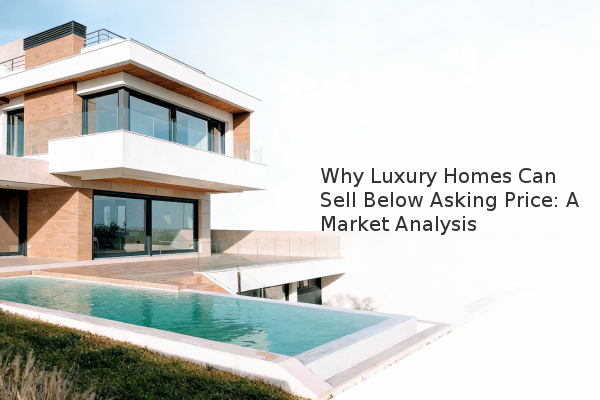
Luxury homes, even those with celebrity pedigrees, can sell for significantly less than their original listing price due to specific market dynamics. An analysis of recent high-profile transactions, including the sale of a musician's former estate in Alpharetta, Georgia, reveals that overpricing, extended time on market, and personalized renovations are key factors that can lead to a final sale price reduction. Understanding these elements is crucial for both buyers and sellers in the high-end real estate segment.
Several factors can necessitate a price reduction. The initial asking price may not align with current market value, which is the price a buyer is willing to pay and a seller is willing to accept under current market conditions. If a property sits on the market for an extended period without offers, it signals to potential buyers and the seller that the price is too high. Furthermore, highly personalized renovations, while valuable to the current owner, may not appeal to the broader buyer pool. In the case of the Alpharetta property, the home sold for $1.1 million less than the initial ask, a correction that reflects a reassessment towards its true market value after a prolonged listing period.
Customizations are a double-edged sword. While they create a unique living experience, they can also limit a property's appeal. "Over-improvement" for the neighborhood, where the cost of upgrades isn't reflected in the area's average home values, can make it difficult to recoup the investment. Changes that deviate significantly from mainstream taste, such as very specific color schemes or unconventional layouts, may require a new buyer to budget for additional renovations. Based on our experience assessment, neutral, high-quality updates typically offer the best return on investment, whereas bold, personalized statements can narrow the field of potential buyers.
The broader economic environment plays a critical role. Factors like mortgage interest rates, which are the cost of borrowing money to buy a home, and stock market performance directly influence the luxury market. In a rising interest rate environment, the cost of financing a jumbo loan—a mortgage that exceeds the conforming loan limits set by government-sponsored enterprises—increases, potentially reducing the number of qualified buyers. Similarly, economic uncertainty can cause high-net-worth individuals to be more cautious with large purchases. A seller's motivation, such as a desire for a quick sale, can also lead to accepting a lower offer to meet current market demands.
To maximize sale price, sellers should prioritize objective pricing from the outset. This involves a Comparative Market Analysis (CMA), a report prepared by a real estate agent that compares the property to similar homes recently sold in the area. It's also advisable to depersonalize the space, allowing potential buyers to envision themselves in the home. Investing in professional staging and high-quality marketing materials can significantly enhance perceived value. Ultimately, pricing the property competitively from the start often leads to a faster sale and can even generate multiple offers, potentially driving the final price higher.
For sellers, the key takeaway is to price based on a current, data-driven Comparative Market Analysis rather than emotional attachment. For buyers, a property that has undergone a price reduction may present a valuable opportunity to acquire a unique home at a more reflective market value.