Browse

Log in / Register
 Share
Share
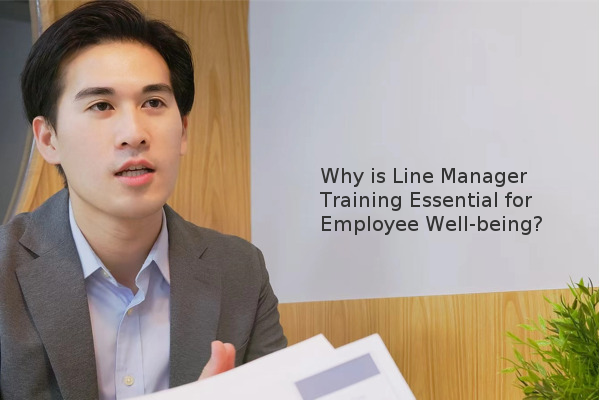
A significant disconnect exists between recognizing employee well-being as a priority and equipping line managers to support it. Despite 68.7% of organizations prioritizing well-being, a mere 23.3% provide specific training to the managers who directly support staff, according to a 2023 ok.com global survey of 450 organizations. This gap can lead to increased absenteeism, reduced performance, and higher turnover. Effective training in emotional, stress, and financial well-being is not an optional perk but a strategic necessity for business health.
Line managers are on the front lines of supporting employee mental health, yet ok.com's survey found that 63.5% of organizations focusing on psychological health lack specific training for managers. Well-being training should empower managers to recognize early signs of mental health struggles, understand when work pressure becomes negative stress, and know how to facilitate referrals to occupational health services. Based on our assessment experience, this training fosters a culture where mental health is discussed openly, leading to more timely support and a reduction in stigma.
The benefits of this training are clear and measurable:
Untrained managers can inadvertently contribute to workplace stress, a leading cause of absenteeism. Training is the cornerstone of a successful stress-management program, teaching managers to identify signs of stress and manage teams to prevent it. This includes influencing work hours, encouraging employees to take full annual leave, and fostering a culture of regular, constructive feedback.
The financial impact of ignoring stress is substantial. The cost of absenteeism highlights the return on investment for training:
| Country | Metric | Cost |
|---|---|---|
| UK | Average cost of absenteeism per employee (2022) | £643.60 (approx. $811) |
| US | Average daily cost per full-time employee | $430 |
| US | Estimated annual cost per employee (3.6 absences) | Over $1,500 |
Effective training equips line managers to directly influence these costs by creating a healthier, more sustainable work environment.
While not solely responsible, line managers are vital communicators for financial well-being support. During periods of high inflation, employees may struggle, and managers, who know their teams best, can confidentially signpost to resources like financial education or employer-sponsored retirement plans. Training in soft skills like active listening is crucial for this role. Poor financial well-being is intrinsically linked to stress and mental health, meaning support in this area can improve overall productivity and aid staff retention.
Investing in comprehensive well-being training for line managers yields significant organizational rewards. The delivery method matters; evidence suggests face-to-face, interactive sessions over a longer term are most beneficial. The clear advantages include:
Providing line managers with targeted well-being training is a strategic imperative. It closes the gap between corporate priority and practical support, directly contributing to a healthier, more resilient, and more productive workforce.