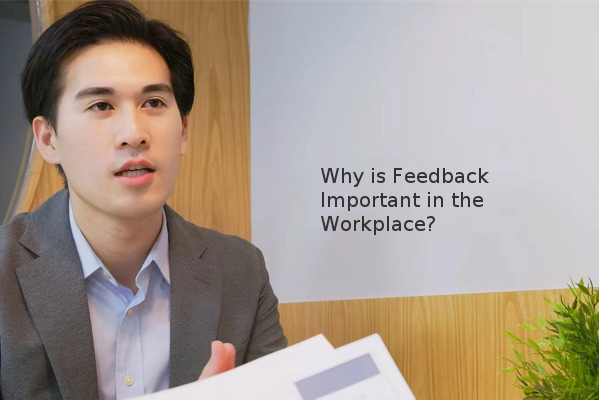
Constructive feedback is a direct driver of professional growth, team efficiency, and organizational success. Based on our assessment experience, companies that implement regular, structured feedback mechanisms see significant improvements in employee engagement and performance. This article breaks down the tangible benefits of feedback, outlines key situations for its application, and provides actionable strategies for both giving and receiving it effectively.
What is Constructive Feedback?
In a professional context, constructive feedback is specific, objective communication aimed at reinforcing positive behaviors or correcting areas for improvement. It differs from simple criticism by focusing on observable facts and offering a clear path for development. This practice is a cornerstone of performance management, transforming subjective opinions into actionable insights.
Why is Feedback a Critical Tool for Development?
Feedback closes the gap between current performance and desired outcomes. Its importance is multifaceted, impacting individuals, teams, and the entire organization.
- Accelerates Performance Development: It's challenging to improve without a clear understanding of your strengths and weaknesses. Regular feedback provides this clarity, allowing individuals to target their development efforts effectively, whether through on-the-job training or formal upskilling programs.
- Boosts Employee Engagement: When managers invest time in giving feedback, it signals to employees that their work is valued and that the company is invested in their growth. Positive recognition is a powerful motivator, directly linked to higher job satisfaction and reduced turnover.
- Reduces Operational Costs: Identifying and addressing minor issues through continuous feedback prevents them from escalating into major, costly problems. This proactive approach minimizes wasted resources and enhances overall productivity.
- Maintains High Standards: Regular feedback loops help gently correct deviations from established work processes early on, ensuring that quality and efficiency standards are consistently met across the organization.
- Strengthens Company Culture: A culture that normalizes constructive feedback fosters psychological safety, collaboration, and mutual support. This environment leads to more innovative problem-solving and stronger team cohesion.
The following table summarizes these core benefits:
| Benefit | Impact on Individual | Impact on Organization |
|---|
| Performance Development | Clear path for skill enhancement and career progression. | Higher overall talent competency and succession readiness. |
| Employee Engagement | Increased motivation and sense of value. | Improved talent retention rates and lower recruitment costs. |
| Cost Reduction | Awareness of how to work more efficiently. | Elimination of wasteful processes and increased ROI. |
| Maintained Standards | Understanding of quality expectations. | Consistent output and reliable service delivery. |
| Strong Culture | Feelings of trust and psychological safety. | A collaborative environment that attracts top talent. |
When Should You Expect to Give or Receive Feedback?
Feedback isn't limited to the annual review. Key moments include:
- Post-Interview Debrief: Providing unsuccessful candidates with specific, actionable feedback is a best practice in employer branding. It helps them improve and leaves a positive impression of your company.
- After a Probationary Period: This formal checkpoint is crucial for setting expectations and confirming a new hire's fit within the role and team culture.
- Following a Major Project: Project conclusions are ideal times for retrospective feedback, capturing lessons learned about what went well and what could be improved for next time.
- During Onboarding or Management Transitions: New managers often use feedback sessions to understand team dynamics and establish their leadership style.
How Can You Act on Feedback Effectively?
Receiving feedback professionally is a skill. To make the most of it:
- Listen Actively: Avoid becoming defensive. Focus on understanding the perspective being shared.
- Seek Clarification: If feedback is vague, ask for specific examples to ensure you fully comprehend the points being made.
- Evaluate Objectively: Assess the feedback's relevance and importance to your role and goals. Not all feedback requires action, but all of it deserves consideration.
- Create an Action Plan: For feedback you decide to act upon, outline concrete steps. For example, if the feedback is to "improve presentation skills," your plan might include attending a public speaking workshop or practicing with a mentor.
What are the Best Practices for Giving Constructive Feedback?
Giving feedback effectively requires tact and intention. Follow these guidelines to ensure it is well-received and productive:
- Be Specific and Timely: Address behaviors soon after they occur, using clear examples. Instead of "You need to be more proactive," say, "I noticed the weekly report was submitted on the deadline. Submitting it a day earlier would give the team more time to review the data."
- Focus on Behavior, Not the Person: Critique actions and outcomes, not personality traits. This keeps the conversation objective and less personal.
- Balance Positive and Constructive Comments: The "Feedback Sandwich" method (positive-negative-positive) can be effective, but ensure the positive reinforcement is genuine.
- Offer Solutions: Frame constructive feedback with suggestions for improvement. This transforms criticism into a collaborative problem-solving session.
- Choose an Appropriate Setting: Deliver constructive feedback privately to avoid embarrassment. Positive feedback, however, can often be celebrated publicly.
To maximize the impact of feedback in your organization, prioritize consistency, specificity, and a focus on future growth. Establishing a regular feedback rhythm is more effective than relying solely on annual reviews. Always link feedback to specific goals and provide a clear, actionable path forward for the recipient.


 Share
Share