Browse

Log in / Register
 Share

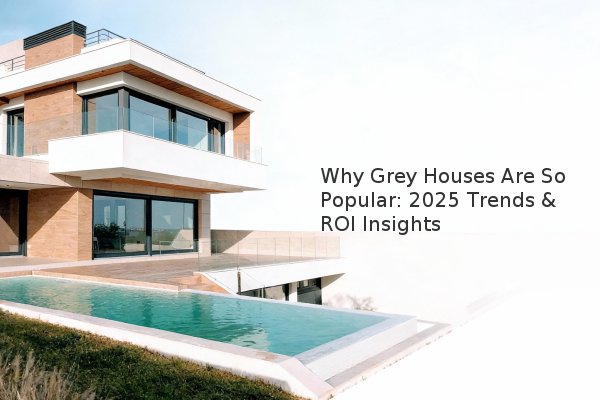
Grey remains a dominant and highly sought-after exterior color for homes in the U.S. real estate market due to its proven ability to enhance curb appeal and offer a strong return on investment (ROI). Data from a 2025 National Association of Realtors® profile of home buyers and sellers indicates that neutral-colored exteriors, particularly shades of grey, can positively influence a property's perceived value and marketability. This article explores the reasons behind its enduring popularity, its financial impact, and key considerations for homeowners.
The appeal of a grey house lies in its versatility and modern aesthetic. Grey serves as a sophisticated neutral backdrop that complements a wide variety of architectural styles, from traditional colonials to contemporary builds. It allows other elements, such as white trim, black windows, or a brightly colored front door, to stand out, creating a striking visual contrast. Unlike trendier colors that may quickly date a property, grey is considered a timeless choice. Its neutrality helps a home appear well-maintained and current, which is a significant factor for potential buyers conducting drive-by evaluations. Based on our experience assessment, this broad appeal translates directly into increased buyer interest.
Choosing a grey exterior is often a financially sound decision. While a fresh paint job always boosts curb appeal, the color selection itself can impact a home's final sale price. Industry analysis suggests that homes with neutral exterior colors, including grey, tend to sell faster and closer to their asking price compared to those with unconventional or bold colors. The ROI (Return on Investment) for exterior painting is already one of the higher-value home improvement projects. By selecting a widely acceptable color like grey, homeowners maximize that investment by appealing to the largest possible pool of buyers, thereby reducing the risk of a color choice deterring a potential sale.
| Paint Color Family | Estimated Impact on Buyer Appeal (Based on 2025 Market Data) |
|---|---|
| Neutral Greys & Beiges | High Positive Impact |
| White & Off-White | Positive Impact |
| Modern Dark Blues/Blacks | Moderate Positive Impact (Niche Appeal) |
| Bold Colors (Red, Yellow) | Variable, Often Negative Impact |
Not all greys are created equal. The undertones in grey paint—whether they lean blue, green, purple, or brown—can dramatically change how the color looks in different lighting conditions and alongside existing materials like stone or brick. A cool grey with blue undertones might complement a home with stainless steel accents, while a warm greige (a blend of grey and beige) can enhance a property with natural wood elements. It is critical to test large paint swatches on different sides of the house and observe them at various times of the day before making a final decision. This step ensures the chosen shade looks consistent and appealing in both direct sunlight and shadow.
Beyond aesthetics, homeowners should consider practical factors. Lighter shades of grey will show less dirt and require less frequent cleaning than very dark charcoal shades, which can fade more quickly in intense sunlight. The quality of paint and primer used is paramount for durability, especially in regions with extreme weather conditions. Furthermore, it's wise to review any CC&Rs (Covenants, Conditions, and Restrictions) if you live in a homeowners association (HOA). These governing documents may have specific rules or a pre-approved color palette you must adhere to, limiting your choices.
In summary, selecting a grey exterior is a strategic decision that balances style, marketability, and value. To ensure the best outcome: