Browse

Log in / Register
 Share
Share
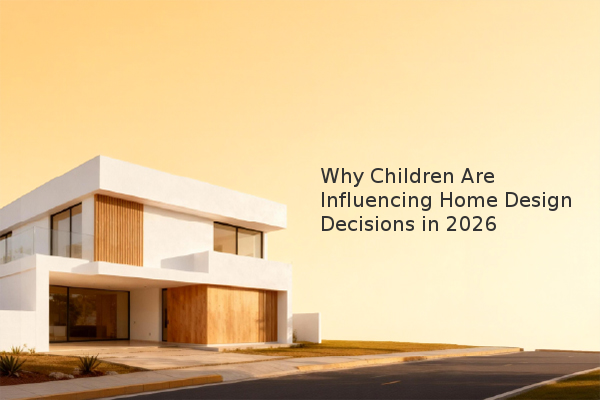
A significant shift is occurring in residential interior design: children are no longer just contributing ideas for their bedrooms but are actively driving decisions for common areas of the home. Based on our experience assessment, this trend, accelerated by a post-pandemic focus on family-centric living, sees kids providing direct input to designers through emails, mood boards, and specific product requests. This collaborative approach can enhance a family's connection to their home, though it requires navigating budget constraints and aligning youthful visions with practical, long-term design value. The key is integrating children's voices within a structured framework that respects the entire family's needs and the property's investment potential.
The evolution stems from a broader cultural change in how children are viewed within the family unit. Interior designers report that parents increasingly see their children as individuals whose opinions are worth honoring. "We view them as their own humans who, even at young ages, their opinions are worth listening to," notes one interior designer. This is coupled with a greater awareness of how living environments influence behavior, a focus sharpened during the pandemic. For families, a design project becomes a forum for communication and a way to collaboratively think about how they live together, making shared spaces more functional and personally meaningful for everyone.
The input from young clients is often highly specific and delivered through modern channels. Designers routinely receive Pinterest boards, Instagram messages, and texts from children who are shopping or see something they like. Requests can range from specific furniture pieces—like a particular swivel chair or a custom-built daybed—to overarching themes inspired by nature, music, or pop culture. One designer described a 10-year-old client who presented four iterations of her own bedroom floor plan, specifying the exact placement of her guitars, a credenza for a record player, and a preference for pale wood. This level of involvement ensures the final design genuinely reflects the child's personality and needs.
While incorporating children's ideas is beneficial, it must be balanced with financial and practical realities. A child's request may not always be feasible due to budget, space, or long-term functionality. For example, a project might include a custom bunk room costing several thousand dollars, which is approved because it adds significant value and enjoyment, while a request for a high-end artwork auction piece might be declined. The process involves setting clear parameters from the outset. Families are advised to establish a budget and discuss the project's constraints openly, treating it as a valuable lesson in decision-making and resource allocation for the child.
The primary value extends beyond aesthetics. When children help design a space, they develop a stronger sense of ownership and belonging, which can be particularly valuable in a new home or vacation property. For parents, the investment often pays off by creating a space that remains useful and appreciated for years. One parent noted that her son's redesigned bedroom, which cost close to $10,000, was worth the investment because the mature design would be functional even after he eventually moves out. The resulting spaces are often more creative, personalized, and reflective of the entire family's identity, ultimately enhancing the daily living experience and the emotional value of the property.
In practice, successful child-involved design projects share common traits: they establish a clear budget from the start, define which spaces are open for collaboration, and use the process as an opportunity for family dialogue. The most effective outcomes balance a child's creative vision with timeless design principles that maintain the property's appeal and value.