Browse

Log in / Register
 Share

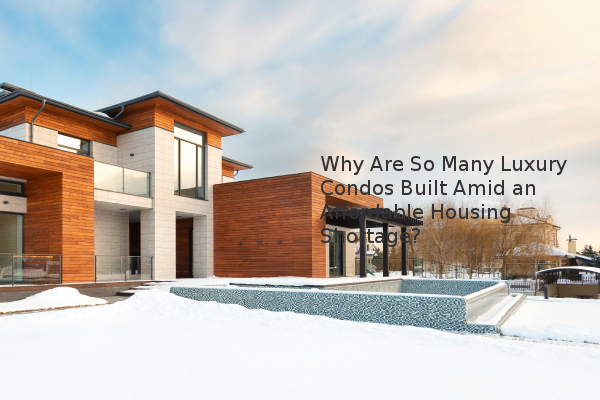
The persistent shortage of affordable housing in many American cities is paradoxically accompanied by a boom in new luxury condominium development. The root cause of this imbalance is artificial scarcity created by restrictive zoning laws. Because municipalities limit the amount and type of housing that can be built, developers are incentivized to maximize profits by catering exclusively to the high-end market. Ultimately, the most sustainable solution is to increase overall housing supply through regulatory reform.
Much like a permit restricting a beach to one restaurant, zoning ordinances (local laws that dictate land use) create a false scarcity of residential land. These rules limit where housing can be built, how dense it can be, and what type of structures are allowed. On a valuable parcel of land, a developer must generate enough revenue to cover not only construction costs but also the high price of the land itself and the lengthy entitlement process (the procedure of obtaining government approvals and permits).
In high-demand areas like San Jose, an empty lot can cost $500,000 or more. To justify this investment, a new building’s units must sell for over $1 million to break even. This economic reality forces builders to focus on luxury buyers, as building affordable units on expensive land is often financially unfeasible. The scarcity of developable land pushes all new construction toward the premium market.
Developers, like any business, operate to recoup investments and turn a profit. With high land and development costs, targeting the wealthiest segment of the market is the most reliable financial strategy. This focus is reflected in market data: the median price of a newly built condo rose from approximately $450,000 in 2018 to $550,000 in 2023.
To attract these buyers, developers include high-end finishes and amenities that middle-class homebuyers may not want or afford. While some cities mandate inclusionary zoning (policies requiring a percentage of new units be priced as affordable), this approach is akin to a luxury restaurant offering a few cheap bar seats. It provides limited relief but does not address the systemic undersupply that drives high prices for the vast majority of units.
Yes, through a process known as housing filtering. A new luxury building may seem out of place, but it adds to the overall housing stock. Over time, trendy finishes become dated, and appliances experience wear and tear. As newer, more modern buildings are constructed, the owners of older luxury buildings must choose between investing in costly upgrades or lowering prices and rents to remain competitive.
This natural cycle means that today's luxury condos can become tomorrow's more moderately priced housing. When new supply is consistently added, the filtering process accelerates, increasing options for middle-class renters and buyers over the long term.
The only sustainable way to address the affordable housing crisis is to dramatically increase the supply of all types of housing. Montana provides a recent, effective model. In April 2023, state legislators passed a sweeping bill that legalized denser housing in commercial zones, permitted accessory dwelling units (ADUs) on single-family lots, allowed duplexes on every residential lot, and streamlined the permit review process.
By removing regulatory barriers, Montana promoted competition among developers, which helps moderate price growth. Increasing supply is the fundamental solution that ensures a wider range of housing options becomes available to meet diverse budgetary needs.
To alleviate the affordable housing shortage, the key is supporting policies that encourage building more homes of all types. Zoning reforms that allow for greater density and faster permitting can create a more competitive and balanced market, benefiting everyone.