Browse

Log in / Register
 Share

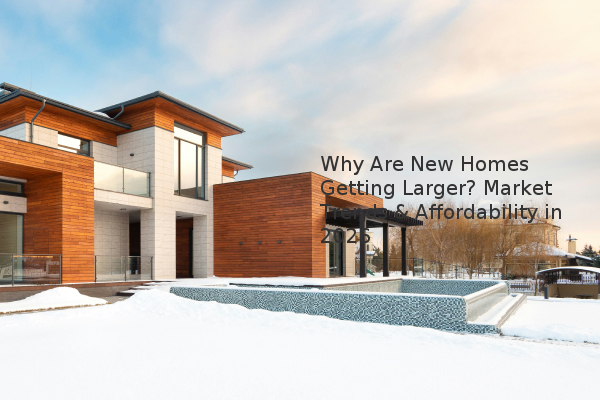
The average size of newly constructed single-family homes in the United States has reached a new plateau, with current data indicating a continued preference for spacious living. However, this trend is simultaneously contributing to a significant affordability gap, making new construction increasingly inaccessible for a broad segment of buyers, particularly first-time purchasers. Based on our experience assessment, the market dynamics are driven by high construction costs, land prices, and builder focus on the higher-margin segment.
As of 2026, the average size of a new single-family home started in the U.S. remains substantial, consistently measuring over 2,500 square feet. This figure represents a significant increase from the post-2008 financial crisis low. The persistence of larger floor plans underscores a sustained market preference for more space, often including features like multiple bedrooms and three-car garages. It is important to understand that this average is influenced by the types of homes being built, which are currently skewed toward the move-up and luxury buyer segments. Builders are responding to the demand for space, but this focus inherently shapes the available inventory.
The primary driver for the construction of larger homes is economic feasibility for builders. Several key factors contribute to this trend:
The emphasis on larger, more expensive new construction has a direct and pronounced effect on housing affordability. The average sales price of a new home has seen a steady increase, creating a substantial barrier to entry. Younger or first-time buyers, who may be managing student loan debt and facing challenges in saving for a down payment (the initial upfront portion of the total purchase price paid by the buyer), are often priced out of the new home market. This has contributed to a situation where the share of first-time buyers in the overall market has remained below historical averages. Consequently, these buyers are frequently funneled into the existing home market, where competition can be intense.
Industry analysts anticipate a potential moderation in home sizes as market conditions evolve. The key factor for a shift will be the successful reintroduction of first-time buyers into the market on a larger scale. Builders are actively exploring solutions to bridge the affordability gap, which may include:
For a sustained change in the average home size, a significant increase in the construction of homes aimed at entry-level buyers is necessary. This would require a favorable combination of economic factors, including accessible mortgage products and stabilized construction costs.
In conclusion, while the desire for spacious homes continues, the current trajectory of new home construction highlights a critical affordability challenge. For prospective buyers, exploring a variety of financing options, such as FHA loans which may have lower down payment requirements, is a crucial first step. Additionally, working with a real estate agent to understand both new construction and existing home markets can provide a broader perspective. The most practical advice is to focus on your personal budget and long-term financial goals rather than being swayed by market trends that may not align with your immediate needs.