Browse

Log in / Register
 Share

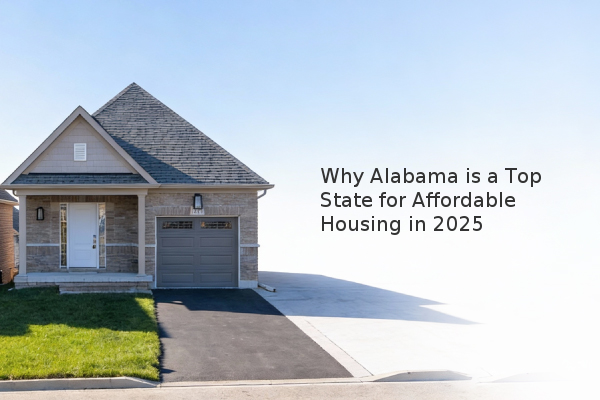
Alabama has established itself as a leading state for housing affordability, driven by a strategic balance of below-average home prices, steady new construction, and proactive workforce development policies. With a median listing price of $328,950—significantly lower than the national average—and a healthy pace of homebuilding that matches population growth, the state offers a viable path to homeownership for many residents. This analysis outlines the key factors behind Alabama's success and what it means for potential buyers.
The core of Alabama's affordability lies in its favorable ratio of home prices to household income. The state's median household income is $60,578, and when paired with a median home listing price that remains well below the national average, homeownership becomes more accessible. This relationship is quantified by an Affordability Score of 0.71, indicating that a large portion of listed homes are within financial reach for typical earners in the state. This score, derived from industry assessments, measures the proportion of homes for sale that are affordable to median-income households.
A steady supply of new homes is crucial for maintaining affordability, and Alabama's construction activity is well-balanced with demand. In 2024, the state accounted for 1.4% of all new home permits nationwide, which is closely aligned with its 1.5% share of the U.S. population. This equilibrium results in a healthy permit-to-population ratio. Furthermore, the new construction premium—the price difference between a new build and an existing home—is a modest 16.7% in Alabama. This relatively small premium means new homes are a competitively priced option, helping to increase overall housing supply without drastically inflating prices.
State-level initiatives have been instrumental in supporting the construction pipeline. A significant recent development was the signing of House Bill 335 in 2025, a bipartisan measure that creates dedicated funding for Home Builder Academies. These accredited programs, overseen by the Alabama Home Builders Licensure Board, address a critical challenge for the industry: labor shortages. By funding vocational training for future construction workers, the policy aims to expand the pool of skilled tradespeople, which helps control building costs and ensures the state can meet growing housing demand. This focus on workforce development is aligned with national strategies to address the housing shortage.
Key Takeaways for Home Buyers: