Browse

Log in / Register
 Share

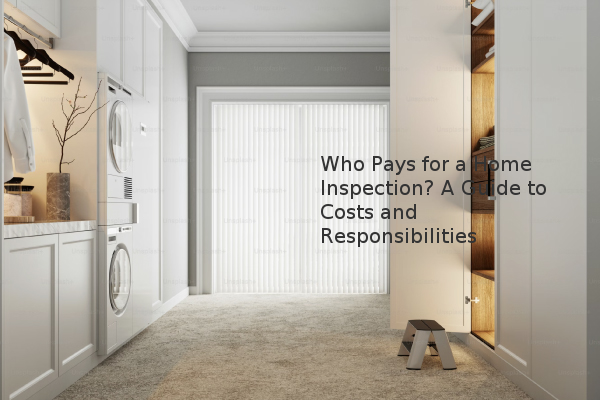
In a standard US real estate transaction, the buyer almost always pays for the home inspection. This critical step, which typically costs between $300 and $500, is undertaken for the buyer's benefit to uncover potential issues with the property before the sale is final. While the seller may pay in specific scenarios, such as when ordering a pre-listing inspection, understanding this financial responsibility is key to navigating the purchase process. This guide breaks down the costs, exceptions, and strategic importance of the home inspection for both buyers and sellers.
A home inspection is a professional, non-invasive examination of a property's condition, conducted by a certified or licensed home inspector. It is a standard due diligence step in the home-buying process. A thorough inspection covers the major systems and structural components of a home, including the foundation, roof, plumbing, electrical, and heating and cooling (HVAC) systems. The goal is to identify existing or potential problems that may require repair or represent a safety hazard.
Based on our experience assessment, buyers often opt for specialized inspections if the general inspection raises concerns. These can include:
The buyer's responsibility for the inspection fee stems from their need to understand the property's condition. Since the inspection is a key part of their decision-making process, they directly hire and pay the inspector. This arrangement ensures the inspector's loyalty is to the buyer, providing an unbiased report.
However, there are notable exceptions where the seller may bear the cost:
The national average cost for a standard home inspection falls in the $300 to $500 range, but the final price depends on several factors. The table below outlines key variables.
| Factor | Impact on Cost |
|---|---|
| Home Size | Larger homes (over 2,000 sq. ft.) typically cost more to inspect due to the increased time and effort required. |
| Location | Prices vary by region and state, often higher in areas with a greater cost of living. |
| Property Age | Older homes may have more complex or outdated systems, potentially leading to a more time-consuming inspection and higher fees. |
| Type of Inspection | A basic inspection is the standard. Specialized inspections (pest, radon, etc.) add separate costs, usually $100-$300 each. |
While a home inspection is not legally required, skipping it is a significant financial risk. The inspection is a buyer's primary tool for avoiding costly surprises. By investing a few hundred dollars, a buyer gains leverage and protection.
The most critical part of an offer that includes an inspection is the inspection contingency. This clause in the purchase agreement allows the buyer to back out of the deal without losing their earnest money deposit if major, unacceptable issues are discovered. Without this contingency, a buyer is agreeing to purchase the property "as-is," which could mean inheriting expensive problems like a failing roof or faulty wiring.
If the inspection report uncovers issues, the buyer has several options, guided by the inspection contingency:
A home inspection is a non-negotiable step for a prudent home buyer. The relatively small upfront cost provides invaluable insight into your potential new home and empowers you to make an informed investment decision, negotiate effectively, or walk away from a problematic property.