Browse

Log in / Register
 Share
Share
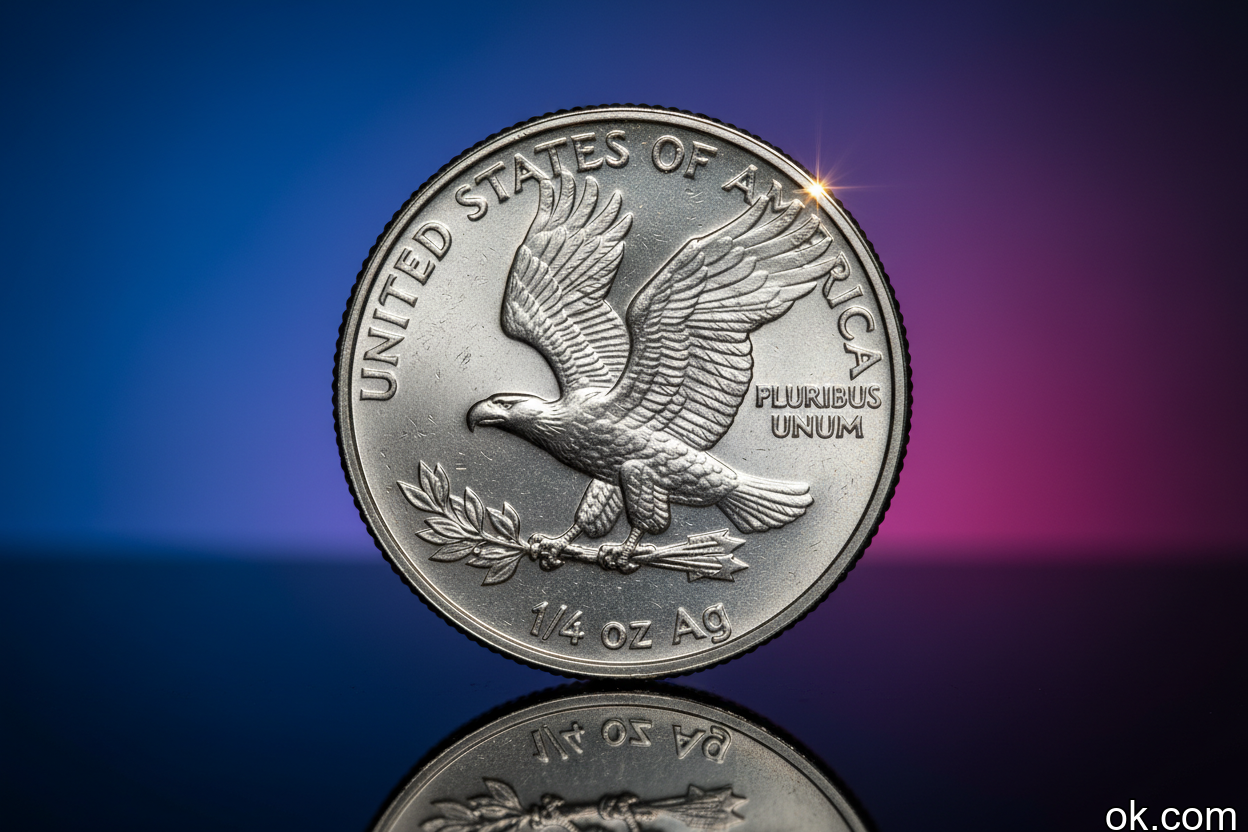
Ever held a U.S. quarter and wondered if it was worth more than just, well, a quarter? Especially those older ones? You're not alone. The allure of precious metals, particularly silver, has captivated people for centuries. And that gleam in your eye when you think about it? Entirely justified. This article dives deep into the shimmering question of how much silver is in a quarter ounce, and trust me, the answer is more nuanced (and potentially lucrative) than you might think.
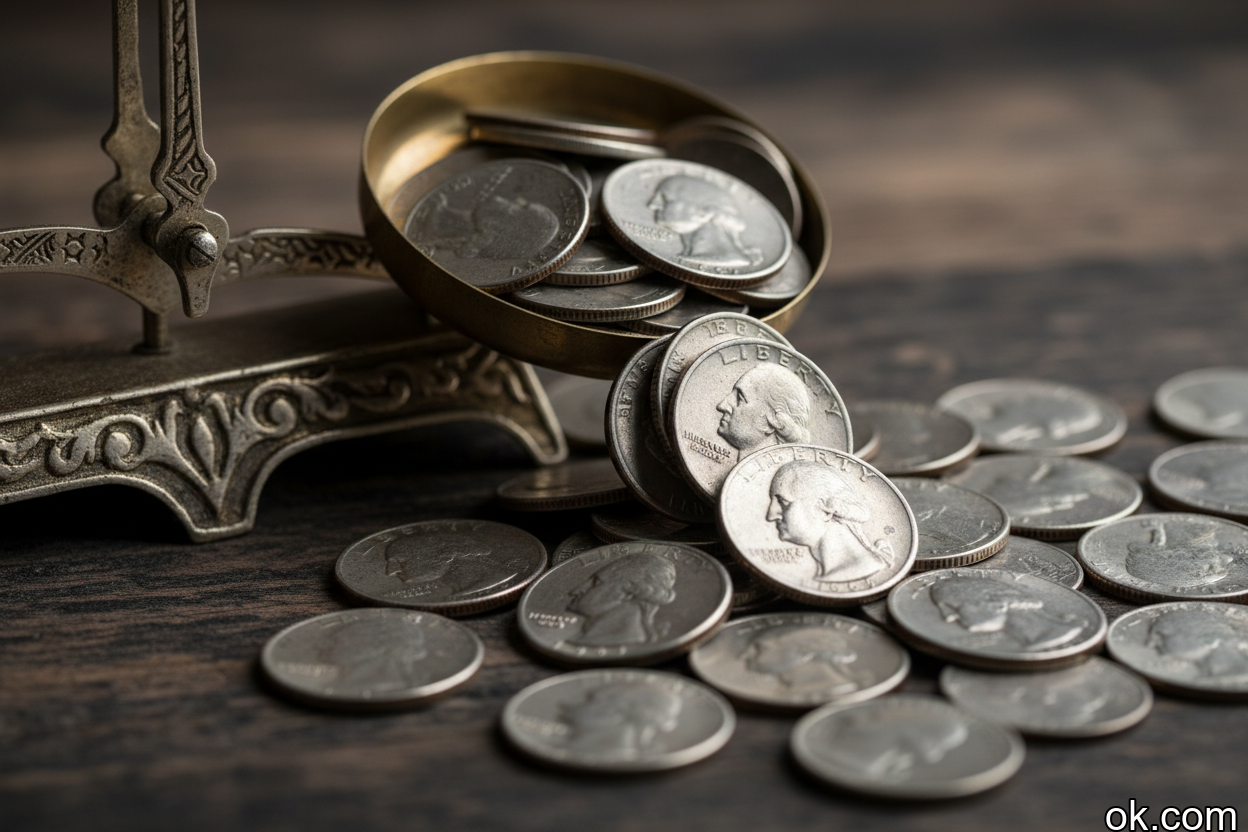
Okay, so let's cut to the chase. We're talking about pre-1965 U.S. quarters here. Those shiny, seemingly ordinary coins actually contain a significant amount of silver. Why pre-1965? Because in 1965, the U.S. government switched from using 90% silver in dimes, quarters, and half dollars to a clad composition of copper and nickel. A cost-saving measure, you see. So, what's the verdict on the silver content?
The good news is those pre-1965 quarters? They’re stuffed with the good stuff. Each 90% silver quarter contains approximately 0.1808 troy ounces of pure silver. Think of it this way: about a fifth of a troy ounce hiding in your pocket change (if you had pocket change from that era, that is). That's 5.625 grams of pure silver per coin, to be precise. Now, are you getting excited? You should be!
Knowing how much silver is in a quarter ounce is only the first step. What we really want to know is its melt value, right? That's where things get interesting, because the price of silver fluctuates constantly.
To calculate the melt value, you need to know the current spot price of silver. This is the price per troy ounce at which silver can be bought or sold for immediate delivery. You can easily find the spot price on various financial websites. Let’s consider a hypothetical, because math is fun.
Scenario 1: Silver at $25 per ounce: 0.1808 (silver content) x $25 (spot price) = approximately $4.52 melt value per quarter.
Scenario 2: Silver at $30 per ounce: 0.1808 (silver content) x $30 (spot price) = approximately $5.42 melt value per quarter.
See how quickly the value can change? It pays to keep an eye on the market. Just remember, these figures represent the theoretical melt value. A coin dealer is unlikely to offer you the full melt value, as they need to factor in their profit margin, refining costs, and other expenses.
While the silver content sets a base value, other factors can significantly influence how much someone is willing to pay for your silver quarter. Things like:
So, you know how much silver is in a quarter ounce, and you can calculate its melt value. Great! But what if your old quarter is more than just a source of silver? What if it's a collectible?
Numismatics, the study and collection of coins, is a fascinating hobby. Collectors are often interested in factors beyond just the silver content, such as the coin's history, design, and rarity.
For example, consider the Walking Liberty quarter (minted from 1916 to 1947) or the Standing Liberty quarter (minted from 1916 to 1930). These coins are not only made of 90% silver, but they also feature beautiful and iconic designs that appeal to collectors. Certain years and mint marks within these series are particularly rare and can command significant premiums.
Want to know if that quarter in your grandpa's coin jar is actually silver? Here are a few tips:
It’s worth noting – as an interesting aside – that even though the face value of $1 in pre-1965 silver quarters represents 0.715 troy ounces of silver, it still takes almost six of these quarters to equal a quarter ounce of pure silver. Isn’t that wild?
How much silver is in a quarter ounce? Well, technically, none. A single quarter doesn’t contain a full quarter ounce of silver. But a pre-1965 quarter contains approximately 0.1808 troy ounces of silver. This seemingly small amount can add up, especially if you have a collection of these coins. Remember, the value of a silver quarter is determined by a combination of its silver content, the current spot price of silver, and its potential numismatic value.
Before you run off to melt down all your old quarters, take the time to research their potential value. You might just have a hidden treasure in your hands.
Ready to explore the world of silver coins? Start by checking your spare change (or your attic!). And if you're looking to buy or sell silver coins, be sure to consult with a reputable coin dealer who can provide expert advice and fair pricing. Because who knows? That little piece of history in your hand might just be worth a whole lot more than you think.