Browse

Log in / Register
 Share
Share
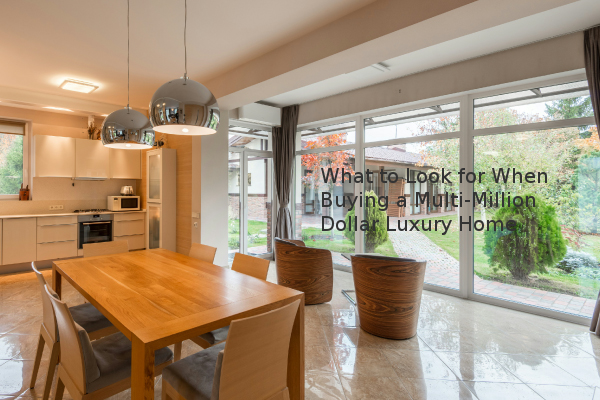
Purchasing a luxury home involves a distinct set of considerations beyond standard residential real estate. Based on our experience assessment, the key to a successful acquisition lies in a meticulous evaluation of architectural integrity, seamless indoor-outdoor living spaces, and high-end, bespoke amenities. A professional home inspection and a comparative market analysis (CMA) are non-negotiable steps to ensure the property's value aligns with its multi-million dollar price tag.
Architectural quality is a primary indicator of a luxury home's long-term value. Look for a cohesive design by a recognized architect, such as a Mediterranean-style villa designed to emulate Old World charm. Key elements include custom details like beamed ceilings, walls of glass that open entirely to the outdoors, and a neutral palette that blends classic and modern elements. The construction materials and craftsmanship should be evident throughout, ensuring the home is not only beautiful but also structurally sound. This level of detail significantly impacts the property's enduring appeal and market value.
In luxury markets, especially in climates like California, seamless indoor-outdoor integration is a highly sought-after feature. This design philosophy creates a feeling of expanded space and facilitates entertainment and relaxation. Evaluate if the main living areas, like the great room, offer unobstructed views and direct access to outdoor areas. Features such as an infinity-edge pool, extended seating for dining, gardens, and grassy lawns should feel like a natural extension of the indoor floor plan. This flow is crucial for the modern luxury lifestyle.
Beyond standard amenities, luxury buyers should expect a suite of dedicated, high-quality spaces. A list of essential features includes:
These amenities cater to a comprehensive, high-comfort lifestyle and contribute to the property's overall valuation.
The financial assessment of a luxury property requires a data-driven approach. Review recent sales of comparable properties (comps) in the immediate area to understand the local market price. It's also critical to investigate annual property tax obligations, which can be substantial. For context, the following table outlines typical annual costs for a luxury property, though these vary by location and value.
| Expense Category | Estimated Annual Cost (High-Value Home) |
|---|---|
| Property Tax | 1.0% - 1.25% of assessed value |
| Homeowners Insurance | $10,000 - $30,000+ |
| Utilities & Maintenance | $15,000 - $50,000+ |
| Landscaping & Pool Care | $12,000 - $25,000+ |
Note: Figures are estimates based on 2026 market data and vary significantly by state, property size, and services required.
Engaging a real estate agent with specific experience in high-end transactions is critical. They provide access to off-market deals and possess the negotiation skills required for this tier of the market.
Purchasing a luxury home is a significant investment that demands careful planning. Focus on the property's architectural pedigree, its integration with the outdoors, and a comprehensive suite of amenities. Always secure a professional inspection and work with a specialist agent to navigate the complexities of the high-end market successfully. Understanding the full scope of ongoing costs ensures there are no surprises after the property transfer is complete.