Browse

Log in / Register
 Share
Share
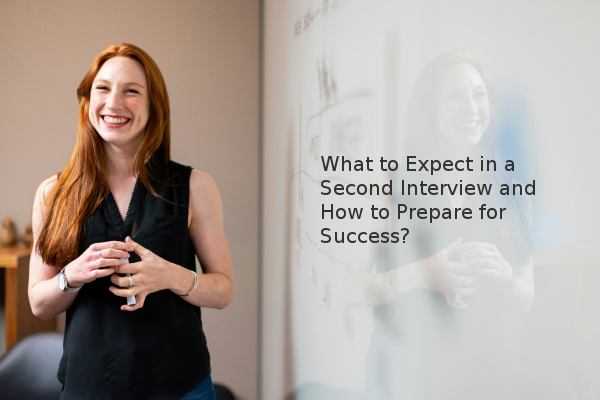
Making it to the second interview is a significant achievement, indicating you are a top contender for the role. Based on our assessment experience, success at this stage hinges on thorough preparation for more in-depth questions and a deeper evaluation of your fit within the company. A second interview typically involves meeting with senior management, facing detailed technical and behavioral questions, and requires a strategic demonstration of your research and genuine interest in the position.
A second interview, or follow-up interview, is a standard part of the candidate screening process used to make a final hiring decision. Companies employ this step for several key reasons:
The dynamics of a second interview are distinctly different from the first. Understanding these differences is key to your preparation.
A More Senior Interviewer? Your first interview might have been with a Human Resources representative. The second interview often includes the hiring manager or a senior team member. In a smaller company, you might even meet the owner. This shift signals that the conversation will be more focused on your direct contribution to the team and your strategic understanding of the role.
Will You Face More Detailed Questions? Absolutely. Be prepared for questions that require you to elaborate on your first interview answers. Interviewers use a structured interview technique, asking behavioral questions like "Tell me about a time you led a difficult project," to understand your problem-solving approach. You should also expect highly specific questions about the company's products, services, or recent news to demonstrate your research.
How Should You Prepare Questions for the Interviewer? Having thoughtful questions prepared is no longer optional; it's expected. Your questions should show you are already thinking like a member of the team. Move beyond basic queries about vacation time to ask about challenges the department is facing, how success is measured in the role, or the company's strategic goals for the next year.
Effective preparation is what separates the leading candidate from the rest of the pack.
Conduct Deeper Company Research. Go beyond the "About Us" page. Analyze the company's recent press releases, annual reports, and social media presence. Understand their competitors and industry position. This knowledge will allow you to ask insightful questions and tailor your answers to their specific context.
Review and Refine Your Notes from the First Interview. Revisit everything you discussed in the first meeting. Identify any points you could elaborate on or weaknesses you need to address. Prepare to follow up on previous topics, showing consistency and attentiveness.
Prepare for Behavioral and Situational Questions. Practice answering questions using the STAR method (Situation, Task, Action, Result). This structured approach ensures you provide concise and compelling stories that highlight your skills. For example:
Plan Your Logistics and Presentation. Confirm the interview time, location (or video call link), and the names of your interviewers. Choose professional attire that aligns with the company's culture (when in doubt, it's better to be slightly overdressed). Ensure you are well-groomed and plan to arrive early to avoid any stress.
On the day of the interview, your preparation should translate into confident action.
By anticipating a deeper level of scrutiny, preparing strategic questions, and demonstrating how you fit into the company's future, you can transform the second interview from a test into a conversation between a potential problem-solver and their future team.