Browse

Log in / Register
 Share
Share
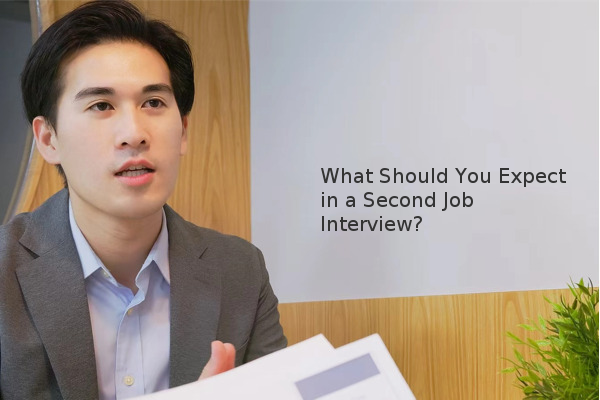
Securing a second job interview means the employer is seriously considering you for the role. This stage shifts from screening your qualifications to a deep dive into your fit, potential, and value. Based on career coaching experience, success hinges on demonstrating cultural alignment, problem-solving skills, and specific enthusiasm for the position.
The first interview often involves human resources or a hiring manager. The second round typically includes meetings with senior leadership or potential teammates. This panel interview format helps the company assess how you interact with various stakeholders. Preparation involves more than reviewing your resume; you must research the company's recent news, its employer brand, and, if possible, the professional backgrounds of your interviewers. Demonstrating this knowledge shows genuine interest and initiative.
Employers frequently use behavioral interview questions (e.g., "Tell me about a time when...") and situational questions to gauge your problem-solving approach and ethics. The goal is to understand how you handle real-world challenges that mirror the role's responsibilities. Prepare concise stories that highlight your accomplishments, such as leading a project or navigating a difficult situation. Use the STAR method (Situation, Task, Action, Result) to structure your answers, ensuring they are clear and impactful. The employer wants verifiable proof of your competencies.
| Question Type | Example | What They're Assessing |
|---|---|---|
| Behavioral | "Describe a time you had a conflict with a coworker." | Interpersonal skills, conflict resolution, diplomacy. |
| Situational | "What would you do if you disagreed with your manager's decision?" | Judgment, communication style, alignment with hierarchy. |
| Cultural Fit | "What kind of work environment do you prefer?" | How your work style and values mesh with the company culture. |
Some interviewers ask unexpected questions ("What animal would you be?") to see how you think on your feet and gain insight into your personality. There is no perfect answer. The key is to stay calm. Take a moment to pause and collect your thoughts. Acknowledge the question's uniqueness to buy time, then provide a simple, thoughtful response that reflects positive traits like teamwork or perseverance.
The question portion of a second interview is your chance to move beyond basics. Focus on the role's daily realities, team priorities, and how success is measured. Avoid questions about salary and benefits at this stage; that discussion comes with a job offer. Instead, ask about the career trajectory for someone in this position or how the role contributes to larger company goals. This demonstrates long-term interest and strategic thinking.
Cultural fit is a major deciding factor. Mirror the interviewer's style—be more conversational if they are, more formal if they are. Throughout your interactions, highlight connections between your experience and the company's operations. Express explicit enthusiasm for the role; a simple, sincere statement about your interest can distinguish you from other qualified candidates.
To summarize, excel in your second interview by: