Choosing the wrong outfit for a job interview can undermine your credibility before you even answer the first question. Dressing professionally is a form of non-verbal communication that signals respect for the interviewer and serious intent about the role. Based on common hiring manager feedback, this guide details the specific clothing items to avoid and what to wear instead to make a powerful first impression.
What Clothing Items Can Negatively Impact Your Interview?
Your interview attire contributes significantly to the halo effect, a cognitive bias where a positive first impression influences later perceptions. Wearing inappropriate clothing can trigger a negative bias, making it harder to showcase your qualifications. Here are the key items to leave out of your interview wardrobe:
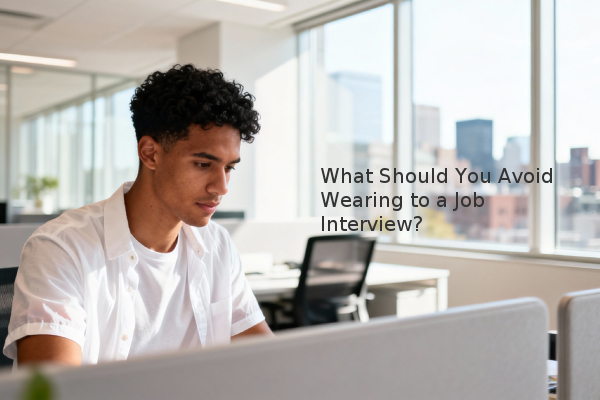
- T-shirts and Casual Tops: Even at companies with a casual dress code, a T-shirt can appear too informal for an interview. It may suggest a lack of effort. A more professional alternative is a button-up shirt, blouse, or a smart polo shirt.
- Ripped or Overly Casual Jeans: Denim, especially with rips or bright dyes, is often perceived as unprofessional. Instead, opt for dress pants, chinos, or slacks. For creative industries, dark, well-fitted, non-distressed jeans might be acceptable, but err on the side of formality.
- Open-Toe and Overly Casual Shoes: Flip-flops, sandals, and worn-out sneakers can look sloppy. Closed-toe shoes like Oxfords, loafers, flats, or clean, conservative sneakers project a more polished image.
- Oversized or Ill-Fitting Clothing: Clothes that are too baggy or too tight can seem careless. Well-tailored clothing instantly elevates your appearance and shows you pay attention to detail.
- Excessive Accessories and Jewelry: Large, noisy, or numerous pieces of jewelry can be distracting. Stick to minimalist, classic pieces like a simple watch, stud earrings, or a single necklace.
- Athletic Wear: Leggings, sweatpants, and hoodies are reserved for the gym. Interviews require a clear separation from athletic attire, so choose fabrics like cotton, wool, or blends used in business casual wear.
- Worn-Out or Faded Clothing: Clothes with stains, fading, or wrinkles signal a lack of preparation. Always choose clean, pressed, and well-maintained garments.
Why Does Your Interview Outfit Matter So Much?
The impact of your clothing choice goes beyond mere aesthetics; it directly influences the interviewer's assessment. According to a survey by CareerBuilder, a significant number of hiring managers form an opinion about a candidate within the first five minutes of an interview, with attire being a key factor. Dressing appropriately achieves three critical objectives:
- It Builds Immediate Credibility: Professional attire helps you be perceived as competent and trustworthy, which is crucial for client-facing roles where you represent the company's brand.
- It Demonstrates Commitment: Taking the time to research and select an appropriate outfit shows the interviewer that you are serious about the opportunity and have invested in making a good impression.
- It Boosts Your Own Confidence: When you know you look the part, your body language and mood often improve, allowing you to present your skills with greater assurance.
How Can You Choose the Perfect Interview Outfit?
Selecting the right attire involves a mix of research and practical preparation. Follow these actionable steps to ensure your outfit supports your success:
- Research the Company Culture: Before your interview, investigate the company’s employer branding and dress code. Look at photos on their website or LinkedIn page. If unsure, it is always acceptable to ask the recruiter or hiring coordinator for guidance.
- Conduct a Dress Rehearsal: Try on your entire outfit, including shoes, at least a week before the interview. Sit down, walk around, and ensure everything is comfortable and fits perfectly. This allows time for alterations or cleaning.
- Focus on Grooming and Details: Ensure your clothes are freshly laundered and ironed. Pay attention to details like clean shoes, neat hair, and minimal, professional accessories. These small touches collectively create a polished look.
- When in Doubt, Over-Dress: It is generally better to be slightly more formal than under-dressed. A classic combination like a blazer with dress pants or a skirt is a safe and powerful choice for almost any corporate environment.
Ultimately, your goal is to ensure the interviewer focuses on your qualifications, not your clothing. By avoiding distracting and unprofessional items and opting for a polished, appropriate outfit, you lay the foundation for a successful interview. Research the company culture, choose well-fitting and professional garments, and always err on the side of being slightly more formal to project confidence and competence.


 Share
Share