Browse

Log in / Register
 Share
Share
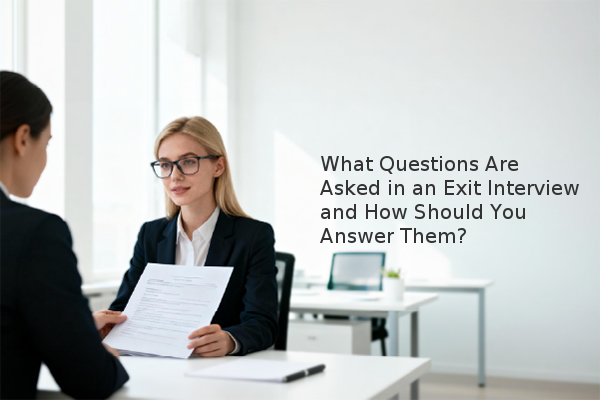
An exit interview is a structured conversation that provides actionable feedback to an employer, but for the departing employee, it's a final opportunity to leave a professional, lasting impression. The key to a successful exit interview lies in providing constructive, honest feedback focused on facts and processes, not personal grievances. This approach helps the organization improve while protecting your professional reputation.
An exit interview is a formal meeting between a departing employee and a representative from the company's Human Resources (HR) department or management. Its primary purpose is to gather insights into the employee's experience to help the company enhance employee engagement, job satisfaction, and reduce voluntary turnover. For you, the employee, it's a chance to exit on good terms, which can be crucial for future references or even potential rehiring. Based on our assessment experience, a well-handled exit interview can solidify a positive final impression, making your previous employer more likely to provide a glowing recommendation.
Preparing answers to anticipated questions ensures you communicate clearly and professionally. Here are typical exit interview questions with strategies for framing your responses.
What was the primary reason for your decision to leave? Employers ask this to identify potential issues within a role or the company culture. Frame your answer around your career goals rather than listing complaints.
What did you enjoy most about your job? This question helps the company identify strengths to emphasize in future recruitment. Be specific about positive aspects like project variety, team collaboration, or the company's mission.
What could have been improved about your role or the company? This is your chance to offer positive critique. Focus on objective factors like workflows, resources, or communication channels, avoiding criticism of individuals.
How would you describe your relationship with your manager? This question assesses leadership effectiveness. Stay professional, highlighting positive aspects and framing any challenges as opportunities for growth.
What skills and qualifications should we look for in your replacement? As the expert in your role, your input is invaluable. This demonstrates goodwill and helps the company write a more accurate job description.
Your conduct during this final meeting is critical. Follow these guidelines to ensure a productive conversation.
Do:
Don't:
A successful exit interview is a strategic part of career management. By providing honest, constructive feedback, you contribute to the organization's growth while safeguarding your own professional network. The key takeaways are to prepare your responses, focus on factual and process-oriented feedback, and always maintain a professional demeanor to ensure you leave a positive, lasting impression.