Browse

Log in / Register
 Share

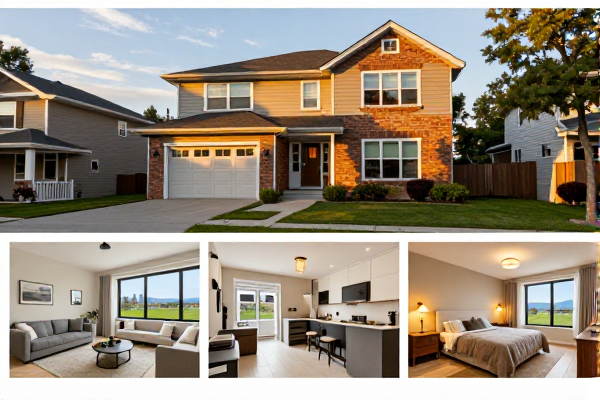
Buying a foreclosed property can be risky primarily due to its sold-as-is condition, which often hides costly structural and system defects, and the complex title issues that can lead to legal and financial complications for the new owner. These two factors represent the most significant and common dangers, turning a seemingly good deal into a potential money pit. Understanding these risks is essential for any investor or homebuyer considering a foreclosure purchase in 2026.
When a property is sold as-is, it means the seller—typically a bank or government entity—will not make any repairs or offer any warranties. This is a critical professional term to understand. The previous occupants, facing financial distress, may have deferred maintenance or even intentionally damaged the property. Unlike a standard home sale where an inspection contingency is standard, buyers of foreclosed homes often must waive this right to make their offer competitive. This means you could be responsible for unforeseen issues like a failing roof, outdated electrical systems, or mold remediation immediately after purchase, costs that can quickly erase any initial savings on the purchase price.
Title issues are another predominant risk. A foreclosure does not always clear all existing claims or liens against a property. For example, if the previous owner had unpaid property taxes or a second mortgage, those liens could transfer to the new owner. There is also the potential for legal challenges from the former homeowner, which, while rare, can cloud the title and prevent you from taking clear ownership. This is why title insurance is non-negotiable in such transactions. This insurance policy protects the holder from financial loss related to defects in the title. Based on our experience assessment, resolving these issues requires thorough due diligence and can delay possession for months.
Beyond the two primary risks, other financial pitfalls exist. Many foreclosed homes have been vacant for extended periods, leading to problems like pest infestations or vandalism. Additionally, securing financing can be more complex than for a traditional home purchase, as some lenders have specific requirements for properties in poor condition. It is crucial to get multiple repair estimates and factor these costs, along with potential closing costs and property transfer taxes, into your total budget. The table below illustrates potential hidden costs that can impact your total investment.
| Potential Cost Category | Estimated Range (2026) | Description |
|---|---|---|
| Major System Repair (HVAC, Plumbing) | $5,000 - $15,000+ | Replacing or repairing essential home systems. |
| Structural Repairs | $10,000 - $50,000+ | Addressing foundation, roof, or frame damage. |
| Code Compliance & Permits | $1,000 - $5,000+ | Bringing the property up to current local building codes. |
| Liens & Back Taxes | Varies Significantly | Costs to clear outstanding debts attached to the property. |

A successful foreclosure purchase hinges on mitigation strategies. First, always invest in a specialized home inspection from a professional familiar with foreclosed properties, even if it means a non-refundable cost. Second, work with a real estate attorney to review all documents and ensure the title search is exhaustive. Finally, secure robust title insurance to protect against unforeseen claims. Budgeting an additional 20-30% of the purchase price for repairs and holding costs is a prudent financial buffer.
To navigate the risks of buying a foreclosed property, focus on two key actions: conducting an exhaustive inspection to uncover as-is defects and obtaining comprehensive title insurance to protect against legal claims. A cautious, well-researched approach is your best defense against these significant financial dangers.