Browse

Log in / Register
 Share
Share
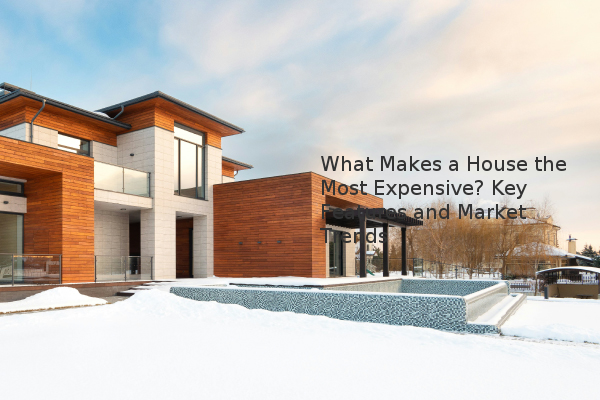
In the U.S. real estate market, the title of "most expensive house" is not just about a record-breaking price tag; it is defined by a combination of extreme luxury, unique location, historical significance, and bespoke amenities. These properties, often priced above $100 million, cater to an exclusive segment of buyers for whom price is secondary to unparalleled quality, privacy, and prestige. The key factors driving these astronomical values include oceanfront or unprecedented urban locations, vast square footage, and custom architectural designs.
The most expensive houses share common features that justify their placement at the top of the market. Square footage is a primary driver, with these residences often exceeding 20,000 square feet and featuring numerous bedrooms and bathrooms. However, sheer size is less important than the quality of construction and the materials used. Freehold ownership, which means owning the land and the building outright without time restrictions, is a standard expectation. Amenities are typically extravagant and customized, such as private marinas, IMAX theaters, Olympic-sized pools, and automotive galleries capable of housing dozens of luxury cars. Security and privacy are paramount, often achieved through gated entrances, extensive landscaping, and state-of-the-art surveillance systems.
The buyer pool for these exceptional properties is incredibly small, consisting primarily of billionaires, tech entrepreneurs, hedge fund managers, and international investors. For these individuals, a ultra-luxury home is not just a residence but a trophy asset—a symbol of success and a store of value. The purchase is often a cash transaction, bypassing the need for mortgage lending. Beyond the status, these homes can serve as a cornerstone of a diversified investment portfolio. The decision is rarely rushed; based on our experience assessment, these buyers conduct extensive due diligence, focusing on long-term value appreciation, potential for customization, and exclusivity of the location over immediate cost concerns.
Location is the most critical factor influencing price. The most expensive houses are invariably situated in the most desirable zip codes. Coastal California, particularly areas like Los Angeles' Bel Air, Beverly Hills, and the Silicon Valley region, consistently sets records. For instance, a recent 2024 market analysis of Malibu beachfront properties showed a significant premium due to limited supply and high demand. Other key markets include New York City for expansive penthouse apartments with panoramic views, and elite enclaves in Florida like Palm Beach. The value is tied to the irreplaceability of the land, with oceanfront, lakefront, or mountain-top properties commanding the highest premiums because of their scarcity and unique vistas.
| Feature | Common Specification in Ultra-Luxury Homes | Impact on Value |
|---|---|---|
| Square Footage | 20,000 - 50,000+ sq. ft. | High |
| Land Acreage | 1 - 20+ acres | Very High |
| Waterfront Access | Private beach, deep-water dock | Extremely High |
| Unique Amenities | Private nightclub, panic rooms | High |
The process of buying a ultra-luxury home is complex and discreet, often involving non-disclosure agreements (NDAs) long before a deal is finalized. While a standard residential transaction might use a simple sale contract, these deals require sophisticated legal and financial structuring. A critical step is securing robust title insurance, which is a form of indemnity insurance that protects the buyer from financial loss due to defects in the property's title. Given the high stakes, environmental assessments, structural engineering reports, and in-depth investigations into zoning laws are conducted meticulously. The property transfer tax, a government levy paid when a property changes hands, can represent a significant sum—sometimes millions of dollars—on these transactions and is a key consideration in the negotiation.
In summary, the most expensive houses are defined by more than just price. They represent the pinnacle of location, design, and exclusivity. When evaluating such properties, prioritize the irreplaceable aspects of the land and the quality of construction. Understand that these are long-term, illiquid assets where traditional market rules can be less predictive. The key takeaway is that value at this level is intensely personal and symbolic, making it a unique segment of the real estate market.