Browse

Log in / Register
 Share
Share

Curb appeal—a property's attractiveness when viewed from the street—is a powerful driver of buyer interest and can significantly influence a home's market value. A "pretty house" typically combines harmonious architectural elements, well-maintained landscaping, and inviting exterior details. Based on our experience assessment, focusing on these features not only enhances aesthetic enjoyment but also offers a strong return on investment, often increasing a property's value by 5-10%. This article outlines the objective characteristics that define an attractive home.
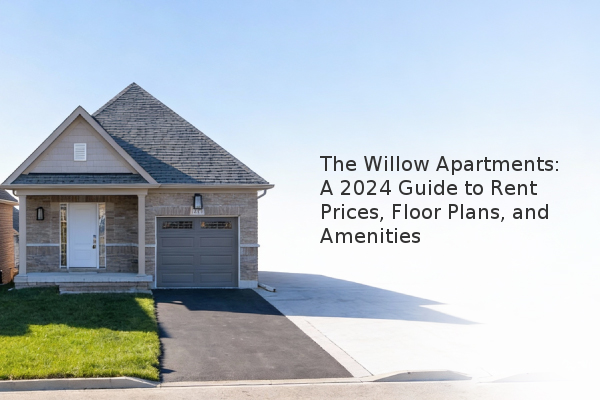
Several key features consistently contribute to a home being perceived as pretty. Symmetry is a fundamental principle; balanced windows, shutters, and a centered front door create a sense of order that is visually pleasing to most people. A cohesive color palette for siding, trim, and accents unifies the exterior. Additionally, a well-defined pathway leading to an inviting entryway, often highlighted by a porch or updated lighting, acts as a welcoming gesture. These elements work together to create a positive first impression before a buyer even steps inside.
Proportion and scale are also critical. Features that are appropriately sized for the home, such as windows that are not too small or overwhelming, maintain architectural integrity. The use of quality materials, whether natural stone veneer, durable fiber-cement siding, or real wood trim, adds texture and depth that elevate the home's appearance beyond basic builder-grade finishes. These characteristics are not merely decorative; they signal to potential buyers that the property has been well-cared for.
Landscaping is the frame that enhances the picture of the house itself. A manicured lawn, defined garden beds, and healthy, mature trees are foundational. Strategic planting can also address practical concerns while boosting beauty; for example, shrubs can conceal foundation areas, and deciduous trees can provide summer shade that reduces cooling costs. The goal is to create a landscape that complements the home's style without obscuring its architectural features.
Low-maintenance and native plants are increasingly valued for their sustainability and ease of care. A pop of seasonal color from flowers in beds or window boxes adds charm. Furthermore, functional outdoor lighting extends the home's appeal into the evening hours, highlighting pathways and architectural details while improving safety. A thoughtfully designed landscape transforms the property from a simple structure into a cohesive and attractive environment.
While curb appeal draws people in, interior aesthetics seal the deal. Natural light is arguably the most sought-after feature, making spaces feel larger, warmer, and more welcoming. Large, clean windows are a significant asset. An open and flowing floor plan that facilitates easy movement and social interaction is a modern expectation for many buyers. The perception of space and layout often outweighs the square footage number itself.
Neutral, yet warm color schemes on walls and cabinetry allow buyers to envision their own lives in the space. Architectural details like crown molding, wainscoting, or a statement fireplace add character and a sense of quality. In kitchens and bathrooms, updated fixtures and cohesive hardware contribute to a polished look. Ultimately, a pretty interior is one that feels bright, spacious, clean, and thoughtfully composed, avoiding overly personalized or dated design choices.
To maximize your home's appeal, focus on symmetry, a cohesive color scheme, and a manicured landscape. Prioritize repairs and cleanliness to signal good maintenance. Remember, enhancing your home's aesthetics is a reliable strategy for increasing its marketability and value.