Browse

Log in / Register
 Share
Share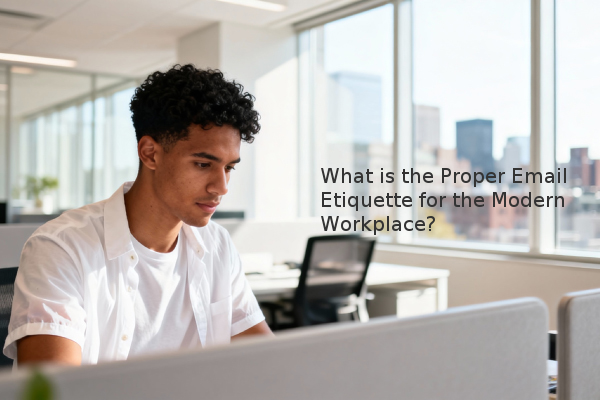
Mastering professional email etiquette is essential for clear communication, building a strong professional reputation, and preventing costly misunderstandings. Based on our assessment of common workplace errors, adhering to a core set of guidelines can significantly enhance your professional image and efficiency.
In a professional context, email etiquette refers to the code of conduct governing communication via email. It matters because your correspondence often forms the first impression colleagues, clients, or hiring managers have of you. A single error, like a vague subject line or an accidental "Reply All," can create confusion, project an image of carelessness, or even damage business relationships. Industry standards emphasize that clear and professional communication directly reflects your work ethic and attention to detail, which are critical for career advancement and successful recruitment processes.
The foundation of a professional email is built before you even write the body text. Start with a professional email address; ideally, use a company-provided one or a personal address based on your name for freelance work. The subject line is your most critical element—it must be clear and concise to allow the recipient to prioritize your message. Examples like "Question Regarding Q3 Project Timeline" are far more effective than "Quick Question." Finally, always use standard fonts and colors (black text is safest) to ensure readability and avoid formatting issues that can appear unprofessional.
Getting the tone right is paramount for effective workplace communication. Always use appropriate greetings and sign-offs, such as "Hi [Name]" and "Best regards," tailoring formality to your organization's culture. Be exceptionally cautious with tone and humour, as written text can easily be misinterpreted; maintaining a polite and professional tone is the safest approach. Furthermore, always proofread your emails for spelling, grammar, and accuracy before hitting send. A well-proofread message demonstrates respect for the recipient's time and your own professionalism.
Key practical advice includes:
Adopting these email etiquette rules will enhance your communication clarity, strengthen your professional brand, and minimize the risk of workplace miscommunication.