Browse

Log in / Register
 Share

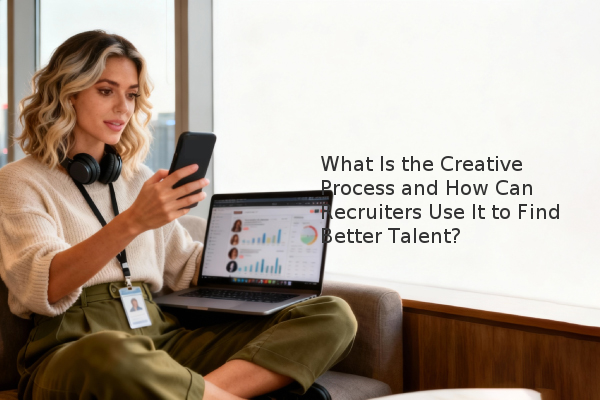
Mastering a structured creative process is key to solving complex recruitment challenges, from crafting compelling job descriptions to designing innovative candidate assessment methods. Based on our assessment experience, a defined framework for creativity leads to more effective talent acquisition strategies and higher-quality hires by systematically transforming initial ideas into viable solutions. The process is not rigid but provides a flexible scaffold for non-linear, iterative thinking.
The creative process encompasses the structured steps, thoughts, and actions required to progress a recruitment or employer branding idea from conception to implementation. It provides a disciplined framework for creative thinking that helps recruiters and HR professionals develop novel solutions to hiring challenges, such as attracting passive candidates or improving the candidate experience. This process acknowledges that great ideas often require time, research, and reasoning, not just spontaneous inspiration.
A structured approach to creativity is vital because it builds the discipline needed to implement innovative recruitment plans effectively. It moves beyond ad-hoc brainstorming, ensuring that creative efforts are aligned with strategic hiring goals. This is crucial for developing a strong employer brand and creating candidate engagement strategies that stand out in a competitive market. The process applies to any HR function where original ideas are needed, from designing a unique structured interview format to planning an impactful campus recruitment event.
While models vary, most creative processes share common stages that can be adapted to recruitment tasks. Following an established framework increases the likelihood of successfully realizing a new sourcing channel or onboarding program.
Identify the Challenge or Goal? The first step involves clearly defining the recruitment problem. This could be a high talent retention rate for a specific role, a lack of qualified applicants, or the need to reduce time-to-hire. A well-defined challenge keeps the creative efforts focused and productive.
Engage in Thorough Research? Creativity in recruitment relies on existing knowledge. This stage involves researching industry benchmarks, competitor hiring practices, and candidate expectations on platforms like LinkedIn. This knowledge base becomes the foundation for innovation.
Brainstorm Numerous Solutions? Immerse yourself in the problem and generate a wide range of potential solutions without judgment. For example, if the challenge is sourcing niche tech talent, ideas might include hosting a specialized hackathon, partnering with coding boot camps, or creating technical content for a company blog.
Prepare for and Overcome Creative Blocks? It's common to hit a roadblock. When this happens, step away from the problem. Shifting focus to a different task allows the unconscious mind to work, often leading to a breakthrough insight upon returning.
Seek and Implement Key Insights? This is the "aha" moment where a fundamental change in perspective occurs, synthesizing research and ideas into a coherent solution. For a recruiter, this might be the insight to frame a job opportunity not as a list of requirements, but as a story about impact and growth.
Design and Test the Solution? Transform the insight into a viable solution. This could involve prototyping a new gamified assessment tool with a small group of current employees or A/B testing two different job ad headlines to see which performs better before a full rollout.
There is no single "correct" creative process. The most effective approach is often tailored to the individual or the specific project. Two well-known models include:
The following table compares the key focuses of these models:
| Model | Key Focus | Ideal for Recruitment Scenarios Like... |
|---|---|---|
| Four-Stage | The natural flow from unconscious processing to insight | Revamping an employer value proposition; long-term strategy planning. |
| Five-Stage | Rigorous validation before full implementation | Launching a new referral program; selecting a new Applicant Tracking System (ATS). |
The most important takeaway is that progress is often non-linear. A recruiter might cycle between brainstorming and research several times before reaching a moment of illumination.
To successfully apply creativity in recruitment:
By adopting a creative process, recruiters can systematically develop more effective, innovative, and successful talent acquisition strategies.