Browse

Log in / Register
 Share
Share
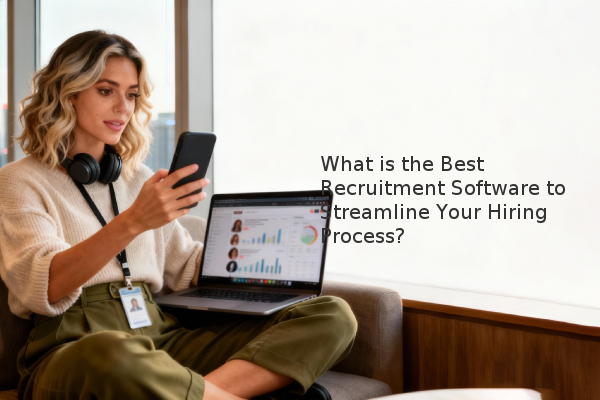
Selecting the right recruitment software, or Applicant Tracking System (ATS), is critical for improving hiring efficiency, reducing time-to-fill vacancies, and enhancing the candidate experience. The best platform depends on your organization's specific needs, such as company size, budget, and required feature set. Based on industry analysis, top contenders include platforms like Greenhouse for enterprise-level recruiting, Lever for its candidate relationship focus, and affordable options like Zoho Recruit for small to medium-sized businesses (SMBs).
An Applicant Tracking System (ATS) is a software application designed to automate and streamline the entire recruitment process. For many organizations, it serves as a centralized database for all candidate information. Upon first use, an ATS typically automates key stages like job post distribution, resume screening, interview scheduling, and communication tracking. This automation significantly reduces manual administrative tasks. The primary goal is to improve the quality of hire—a key performance indicator (KPI) that measures the value a new employee brings to a company—while also cutting down the time-to-fill, which is the number of days between a job opening being approved and an offer being accepted. Efficient use of an ATS can lead to a stronger employer brand by ensuring a positive and professional candidate experience.
Choosing the right platform requires a clear understanding of which features will solve your most pressing hiring challenges. A structured interview feature, for example, helps standardize the questioning process for all candidates for a role, reducing unconscious bias. Here are some critical capabilities to evaluate:
The following table compares common needs with the features that address them:
| Recruiting Challenge | Software Feature Solution |
|---|---|
| High volume of unqualified applicants | AI Resume Screening & Keyword Filtering |
| Slow interview scheduling process | Automated Calendar Integration & Self-Scheduling |
| Poor candidate communication | Automated Email Templates & Status Updates |
| Lack of data-driven decisions | Customizable Reporting Dashboards |
The "best" software is not a one-size-fits-all solution. A global corporation has vastly different needs and a larger budget than a startup.
For Enterprise-Level Organizations: Platforms like Greenhouse and Lever are often considered industry standards. They offer deep customization, robust integrations with other HR systems, and advanced analytics suitable for complex hiring processes across multiple departments and locations. The investment is significant, often costing several thousand dollars per month, but justified by the need for scalability and compliance.
For Small to Medium-Sized Businesses (SMBs): Solutions like Zoho Recruit and Breezy HR provide excellent value. They offer core ATS functionality—such as job posting, candidate management, and interview scheduling—at a more accessible price point, sometimes as low as $50-$150 per month. These platforms are designed for ease of use and can grow with the business.
For Recruiting Agencies: Software like Bullhorn is built specifically for agency workflows, focusing on client and candidate management, placement tracking, and billing functionalities that are essential for third-party recruiters.
A methodical selection process ensures you invest in a platform that delivers a strong return on investment (ROI). Follow these steps based on our assessment experience:
To optimize your hiring, start by auditing your current process, define a clear set of required features and a firm budget, and always test platforms through demos. The right recruitment software is a powerful tool for building a talented workforce, but its effectiveness depends on a strategic and well-researched selection process.