Browse

Log in / Register
 Share

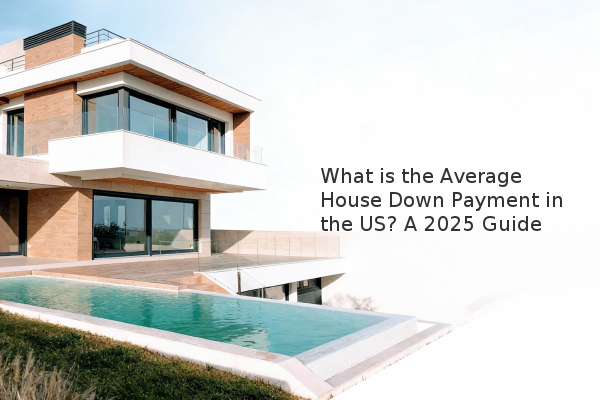
The average down payment on a house in the United States is typically between 5% and 20% of the home's purchase price, with the national median hovering around 13% for recent home buyers. However, this figure varies significantly based on the loan type, the buyer's age, and location. For most buyers, saving for this initial payment is the largest financial hurdle in the home buying process.
Understanding the factors that influence this crucial upfront cost is essential for effective financial planning. This guide breaks down the current averages and the key considerations that determine how much you will need to save.
While the classic 20% down payment is often cited, it is not the standard for every buyer. Data from industry sources in early 2025 indicates that the median down payment percentage is closer to 13%. In dollar terms, this translates to a significant amount due to rising home prices. For a home priced at $400,000, a 13% down payment would be $52,000.
It is critical to distinguish between the average and the minimum required down payment. Many loan programs are designed specifically for buyers who cannot afford a large upfront sum. For example, FHA loans (loans insured by the Federal Housing Administration) require a minimum down payment of just 3.5% for qualified buyers. Similarly, conventional loans backed by Fannie Mae and Freddie Mac can have minimums as low as 3% for first-time home buyers. VA loans (for eligible veterans, service members, and their spouses) and USDA loans (for homes in designated rural areas) often require zero down payment.
| Loan Type | Typical Minimum Down Payment | Key Consideration |
|---|---|---|
| Conventional Loan | 3% - 5% | Higher credit score often required for 3% down. |
| FHA Loan | 3.5% | Requires Mortgage Insurance Premium (MIP). |
| VA Loan | 0% | Available to qualified military service members. |
| USDA Loan | 0% | Subject to geographic and income restrictions. |
Your required down payment is not a one-size-fits-all number. Several personal and market factors directly impact the amount you will need to bring to the closing table.
One of the most important concepts for buyers putting down less than 20% is Private Mortgage Insurance (PMI). PMI is a type of insurance that protects the lender—not you—in case you default on the loan. It is a common add-on for conventional loans with a down payment of less than 20%.
The cost of PMI varies but typically ranges from 0.5% to 1.5% of the loan amount annually, added to your monthly mortgage payment. This creates a financial trade-off: a smaller down payment eases the immediate savings burden but results in a higher monthly payment for years until you reach 20% equity in the home. For FHA loans, a similar fee called the Mortgage Insurance Premium (MIP) is required, which often lasts for the life of the loan.
Saving for a down payment requires a disciplined approach. Based on common financial planning assessments, consider these strategies:
The key takeaway is that the average down payment is a starting point for your research, not a fixed rule. Your personal financial situation and the loan program you qualify for will ultimately determine your required amount. Understanding the relationship between your down payment, PMI, and your monthly costs is critical for making an informed and sustainable home buying decision. Carefully evaluate your budget and explore all available loan options to find the path that best fits your financial future.