
Browse

Log in / Register
 Share
Share
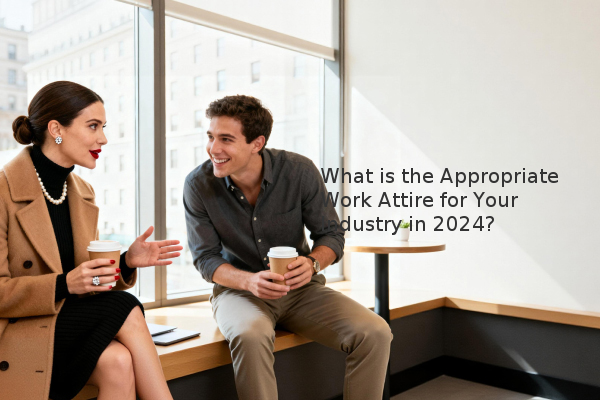
The most appropriate work attire is the one that aligns with your company's culture, your industry's norms, and the specific impression you want to make. While dress codes have relaxed in many sectors, dressing professionally remains a critical factor in shaping perceptions of your competence, commitment, and fit within an organization. Based on insights from recruitment consultants, this guide breaks down the expectations across key industries to help you navigate what to wear to work.
Even with the rise of casual startup cultures, your clothing sends a powerful non-verbal message. David Forsdyke, a Managing Director at ok.com, notes that while people should be judged on skills and experience, "human nature is such that judgments are made, rightly or wrongly, on attire and personal presentation." Dressing appropriately demonstrates respect for your colleagues, clients, and the workplace itself. It can influence career advancement, as senior leaders often notice those who present themselves with care. The goal is not conformity but strategic alignment—using your attire to support your professional brand.
In these client-facing, traditional industries, the expectation often leans towards conservative dress. Business formal attire is the customary standard. Kyra Cordrey, a Director at ok.com, explains that in finance, it's important to "dress as if you care," suggesting a clear separation between work and personal life. For roles in top-tier firms, this typically means:
While some boutique consultancies may adopt a client's more casual approach, erring on the side of formality is your safest strategy. Dressing conservatively in these fields minimizes risk and projects an image of reliability and professionalism.
The legal profession is experiencing a shift. The historical norm of business professional attire is transitioning towards business casual in many firms. This is particularly true for in-house legal teams within creative industries like digital media, where teams often mirror the more relaxed dress code of their colleagues. However, as David Forsdyke points out, even with a more flexible approach, "you should make a real effort, as it will be appreciated." Business casual in a legal context is not about weekend wear; it means:
The key is to observe senior leaders in your specific organization and follow their lead, ensuring your presentation aligns with the firm's image, especially when interacting with clients.
In logistics, warehousing, and transport operations, the dress code is pragmatic and driven by safety and practicality. Formal suits are unusual and often impractical. Ben Lyons, an Operating Director at ok.com, notes that even in this casual environment, senior-level personnel are rarely underdressed. The standard attire is typically company-provided uniforms or durable, functional clothing like:
The principle here is to "dress in line with the organization’s dress code and represent the company correctly." Even without a formal requirement, maintaining a neat, professional, and situation-appropriate appearance is crucial for credibility and safety.
Creative industries such as digital marketing, design, and fashion are known for their relaxed and expressive dress codes. In these fields, traditional rules are almost non-existent, and personal style is more welcomed. Katie Self, a manager at ok.com, emphasizes that in creative sectors, "it’s still important to dress to impress," but you have the "freedom to wear fashion-forward or colorful pieces." In fashion, your attire is a direct reflection of your taste and understanding of the brand. Nicola Wensley, a Director at ok.com, explains that employees often wear the company's product, embodying the brand visually. The key takeaway for creative roles is that your clothing is part of your professional toolkit, signaling your creativity and cultural fit.
To navigate modern work attire successfully, follow these actionable tips:


