Browse

Log in / Register
 Share
Share

Tapping Road, a specific street name found in various communities across the United States, is not a real estate term but a physical location that can significantly influence property values and market dynamics. For homebuyers and investors in 2026, understanding the characteristics of a particular Tapping Road—from its local school districts and property tax rates to its proximity to amenities—is crucial for making an informed decision. The desirability and price of homes on any Tapping Road are directly tied to these hyperlocal factors, which can vary dramatically from one state to another.
The value of properties on a specific street is determined by a combination of objective data and subjective appeal. Key factors include the Average Home Value, which is the estimated market value of a typical home in the area. This figure is based on recent sales of comparable properties, or "comps." Another critical element is Property Tax, an annual ad valorem tax levied by local governments based on the assessed value of the real estate. For a precise market snapshot, consider the following data for a hypothetical Tapping Road in a suburban area:
| Metric | Estimated Value (2026) | Notes |
|---|---|---|
| Median Home Sale Price | $550,000 | Based on last 6 months of sales |
| Price Per Square Foot | $285 | Varies by home style and condition |
| Average Property Tax | $6,500/year | Varies by county assessment |
| Average Days on Market | 28 | Indicator of demand |
The housing stock on a Tapping Road can range from historic single-family homes to newer constructions. A common find in many neighborhoods is a Single-Family Home, a standalone property designed for one household. You might also encounter Townhouses, which are multi-level homes that share one or more walls with adjacent properties but have their own private entrances. In some areas, Tapping Road could feature Condominiums (Condos), which are individual units within a larger building or complex where owners hold title to their unit but share ownership of common areas. The architectural style and age of these homes will heavily influence maintenance considerations and potential renovation costs.
Prospective buyers should conduct thorough due diligence beyond the property itself. It is essential to research the local Zoning Regulations, which are local laws governing land use and what can be built on a property. This is especially important if you plan to make additions. A Title Search is a standard part of the purchasing process, which is an examination of public records to confirm the seller's legal ownership and to uncover any claims or liens on the property. Furthermore, investigating future development plans for the area can provide insight into potential changes in traffic, noise, and overall neighborhood character.
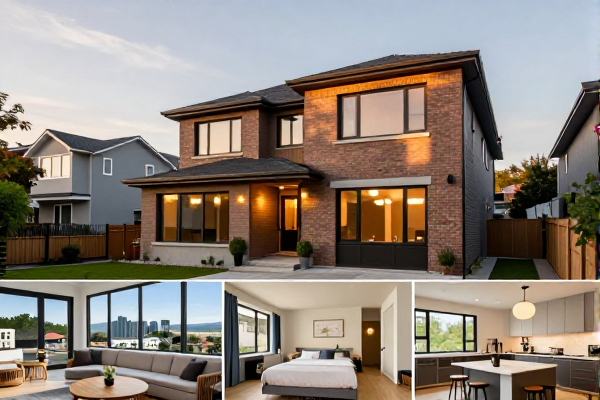
The specific segment of Tapping Road and its placement within a town or city is paramount. A home located within walking distance of a downtown area with shops and restaurants will command a different price and attract a different buyer than a property on a more remote section of the same road. Access to major highways, public transportation, and the quality of the assigned school district are primary drivers of long-term value. From an investment perspective, a home on a desirable stretch of Tapping Road in a stable or appreciating market is generally considered a strong asset.
In summary, the key to evaluating a property on Tapping Road lies in hyperlocal research. Buyers should prioritize understanding recent sales data, property tax obligations, and the quality of local amenities. Consulting with a local real estate expert can provide invaluable, nuanced insights specific to that street and community.