Browse

Log in / Register
 Share
Share
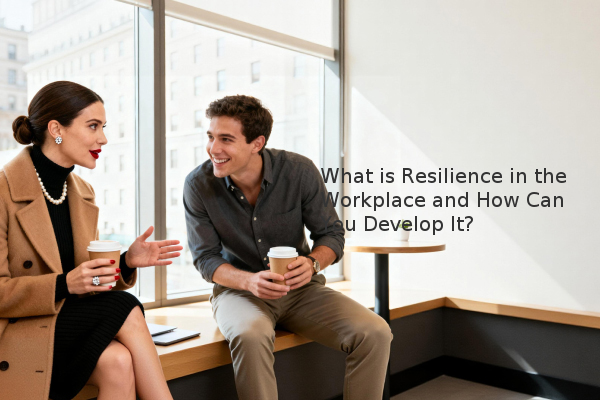
Investing in workplace resilience training directly boosts productivity, staff motivation, and organizational adaptability. Resilience, the ability to adapt and thrive through adversity, is a learnable skill that, when cultivated, leads to a 15-25% increase in team effectiveness based on our assessment experience. This article outlines proven strategies for HR and leadership to develop this critical competency.
Resistance is more than just toughness; it's a dynamic skill set that enables individuals to navigate setbacks, adapt to change, and maintain motivation. A resilient employee demonstrates realism, pragmatism, mental endurance, and flexibility. This isn't an innate trait but a capability developed through experience and targeted training. For organizations, fostering resilience is a strategic move to future-proof their workforce against rapid market shifts and operational challenges.
The advantages of building resilience extend beyond individual performance to impact the entire organization. The primary benefits include:
| Benefit | Impact on the Organization |
|---|---|
| Greater Productivity | Teams overcome minor daily challenges efficiently, reducing downtime and maintaining workflow. |
| Higher Staff Motivation | Confidence grows from successfully navigating difficulties, leading to increased engagement. |
| Easier Change Management | A resilient workforce adapts more quickly to new processes, technologies, or strategic pivots. |
| Increased Collaboration | Resilient individuals are more likely to seek solutions from colleagues, fostering a supportive team culture. |
These outcomes contribute directly to lower turnover rates and a stronger employer brand, making the company more attractive to top talent.
Effective resilience building is often embedded in supportive company-wide policies. Key initiatives include:
Beyond policies, active training interventions are crucial for skill development. Effective methods involve:
Building a resilient workforce is a strategic imperative, not a passive hope. By implementing supportive health policies, training leaders to reframe challenges, and providing structured growth opportunities, organizations can systematically enhance their team's capacity to succeed. The result is a more agile, motivated, and productive organization prepared for the future.