Browse

Log in / Register
 Share
Share
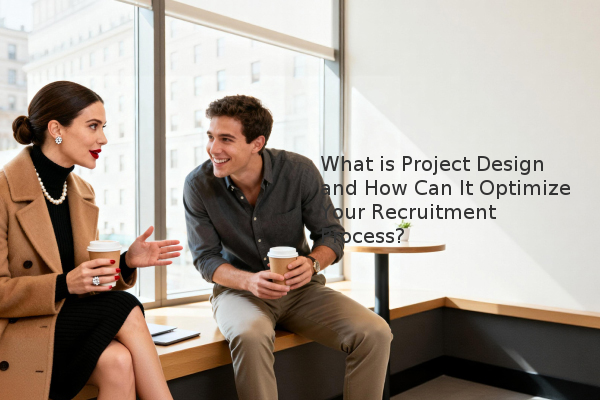
Project design is a strategic early-phase planning process that, when applied to recruitment, systematically defines a role's key requirements, success criteria, and hiring workflow to significantly improve time-to-hire, candidate quality, and overall hiring efficiency. By creating a detailed project design for each open position, recruiters and hiring managers can align stakeholders, mitigate risks, and build a structured roadmap for a successful outcome.
A well-structured recruitment project design acts as a blueprint, ensuring all stakeholders are aligned from the outset. It incorporates several key components:
| Element | Description | Recruitment Example |
|---|---|---|
| Goal | The overarching purpose of the project. | Hire a Mid-Level Software Engineer. |
| Objective | A specific, measurable target. | Conduct technical screenings with 15 pre-vetted candidates within 2 weeks. |
| Outcome | The explicit change or result. | A new team member successfully integrated, improving team velocity. |
Following a structured process transforms the project design from a document into an actionable plan. Based on our assessment experience, these seven steps are highly effective for recruitment initiatives.
Define the Hiring Goal: Start with an intake meeting with the hiring manager. Use the SMART framework (Specific, Measurable, Achievable, Relevant, Time-bound) to crystallize the role's purpose. Instead of "We need a marketer," a SMART goal is "Hire a Content Marketer to produce 15 pieces of top-funnel content in Q1, increasing lead volume by 15%."
Determine Desired Outcomes: Specify what a successful hire looks like beyond just filling the role. Outcomes include a positive candidate experience, a strong offer acceptance rate, and a new employee who passes their 90-day probation period with strong performance reviews.
Identify Constraints and Risks: Assess limitations such as a tight budget or a highly competitive talent pool for niche skills. Use a risk register to document these risks and develop mitigation strategies, like building a talent pipeline in advance to combat long sourcing cycles.
Use a Visual Aid to Refine the Strategy: A visual roadmap clarifies the process for everyone. For recruitment, a flowchart is ideal for mapping the candidate journey from application to offer, while a timeline keeps the team accountable to deadlines.
Estimate the Budget Accurately: Allocate resources for all anticipated expenses. A detailed budget prevents surprises and allows for strategic decisions, such as allocating more funds to a premium job board for a hard-to-fill role.
Create a Contingency Plan: What if the top candidate declines the offer? A contingency plan might involve having 1-2 backup candidates ready to engage immediately or a pre-approved strategy to re-evaluate the salary band if market data suggests it's uncompetitive.
Document the Milestones: Break the project into key milestones, such as "Job Description Approved," "First-Round Interviews Completed," and "Offer Accepted." Tracking these milestones using project management software provides visibility and helps quickly identify bottlenecks.
Optimizing your design process leads to consistently better hiring outcomes. Here are actionable tips based on industry best practices.
A well-crafted project design is not just paperwork; it's the foundation of a strategic, efficient, and successful recruitment campaign. By investing time in the planning phase, organizations can save significant resources later, improve the quality of hire, and enhance their employer brand through a professional candidate experience. The key takeaways are to define clear goals, communicate them visually, plan for risks, and consistently learn from each hiring project.