Browse

Log in / Register
 Share
Share
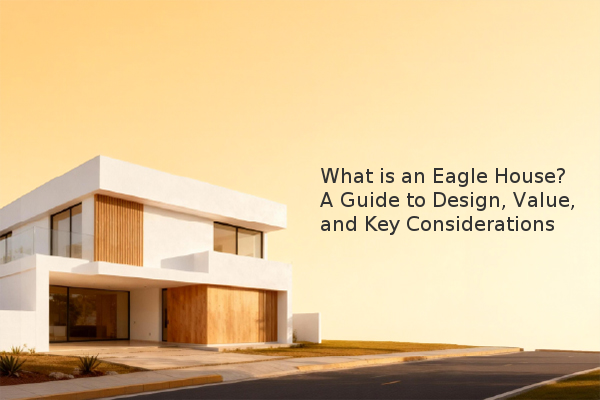
An Eagle house typically refers to a property constructed by Eagle Construction or a similarly named builder, characterized by specific design aesthetics and construction quality, rather than denoting a particular architectural style. The value and appeal of such a home are largely determined by the builder's reputation, the era of construction, and the local market's perception of the brand. This guide provides an objective analysis to help you identify, evaluate, and make informed decisions regarding these properties.
The term itself is not a standardized industry classification but a common way to identify homes built by a specific company. Understanding the builder's track record is the first step in assessing a property marketed as an Eagle home. This involves researching their history for consistency in quality, customer satisfaction, and financial stability.
The primary factor influencing a home's long-term value is its construction quality. When evaluating an Eagle house, prospective buyers should look beyond surface-level finishes. Key areas to assess include the foundation, roofing materials, HVAC system, and insulation. A well-constructed home from a reputable builder often features durable materials and adherence to modern building codes. It is advisable to review the builder's warranty details and any available historical data on repair frequency for their properties. Based on our experience assessment, homes built during a company's peak operational period may showcase higher attention to detail.
| Quality Assessment Area | Key Considerations for an Eagle House |
|---|---|
| Structural Integrity | Inspection of foundation, load-bearing walls, and roof framing. |
| Systems & Utilities | Age and condition of plumbing, electrical wiring, and HVAC units. |
| Material Durability | Quality of siding, windows, and flooring materials used. |
Owning a house from a known builder like Eagle Construction can offer several advantages. Neighborhoods developed by a single builder often have a cohesive aesthetic and planned amenities, which can contribute to stable property values. Furthermore, if the builder is still active, there may be resources for obtaining original floor plans or specific replacement parts. However, potential drawbacks exist. If the builder is no longer in business, sourcing custom materials for repairs could be challenging. Additionally, homes built in the same period may share common aging issues, such as outdated electrical systems or plumbing that requires modernization.
A meticulous approach is non-negotiable. Engaging a certified professional home inspector with experience in evaluating homes from that specific builder and era is crucial. They can identify common builder-specific issues that may not be apparent to a general inspector. Furthermore, conducting thorough title research is essential to ensure there are no lingering liens from the construction phase or unresolved title insurance claims. Title insurance is a form of indemnity insurance that protects against financial loss from defects in the title. Finally, compare the asking price against recent sales of comparable Eagle houses in the same subdivision, adjusting for lot size, upgrades, and condition.
To make a sound decision, focus on verification: hire a specialized inspector, scrutinize the title history, and analyze comparable sales data specific to the builder's developments.