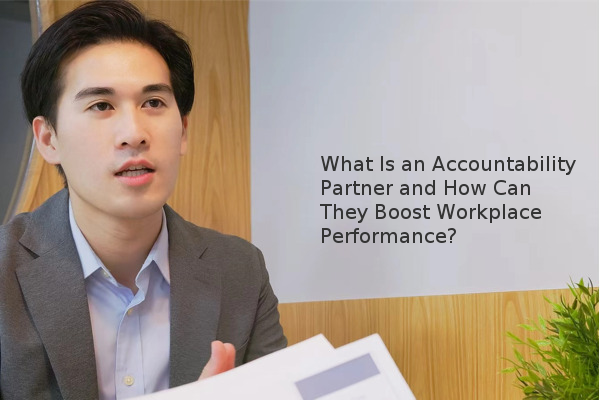
Implementing a structured accountability partnership can increase project success rates and individual productivity by providing consistent, objective feedback. This guide details a step-by-step process for establishing an effective partnership, from selecting the right colleague to implementing measurable control mechanisms. Success hinges on clear goal-setting, open communication, and a commitment to mutual professional growth.
How do you define an accountability partner?
An accountability partner is a trusted colleague or professional associate who helps you achieve specific goals by monitoring your progress and providing constructive feedback. Unlike a mentor who offers broad career guidance, an accountability partner focuses on ensuring you meet predefined targets within an agreed-upon timeframe. They offer a combination of moral support and practical advice, helping you navigate obstacles and maintain focus. Given their experience, they can provide valuable insight, especially in complex project management scenarios. This relationship is a two-way street, often founded on mutual professional respect and a shared interest in achieving tangible outcomes.
What are the initial steps to create this partnership?
The foundation of a successful partnership is clarity of purpose. Before approaching a potential partner, you must define your objectives with precision.
- Set Detailed, Time-Bound Goals: Move beyond vague aims like "increase productivity." Instead, formulate goals using the SMART criteria (Specific, Measurable, Achievable, Relevant, Time-bound). For example, aim for a "15% increase in departmental output within the next two fiscal quarters." This specificity makes it easier for your partner to track progress and measure success.
- Break Down the Plan into Stages: Deconstruct your main goal into smaller, manageable sub-tasks. If the goal is to launch a new marketing campaign, sub-tasks could include market research, content creation, and ad-buying. Assign a timeline to each stage. This allows your accountability partner to provide feedback throughout the project lifecycle, not just at the end, fostering continuous improvement.
How do you choose and collaborate with the right partner?
Selecting the right individual is critical. Look for a colleague known for their honesty, analytical skills, and ability to give constructive criticism.
- Consult and Interview Candidates: After creating a shortlist of potential partners based on their relevant experience and skills, conduct informal interviews. Discuss their current workload, communication preferences, and personal goals to assess compatibility.
- Establish Effective Control Mechanisms: The collaboration method should suit your work environment. For remote teams, this might involve submitting bi-weekly progress reports via a shared project management tool. For in-office settings, it could mean brief, structured weekly check-in meetings. The key is to create a consistent and transparent system for reporting progress. Based on our assessment experience, these mechanisms are vital for maintaining momentum and ensuring accountability is actionable, not theoretical.
To maximize the effectiveness of your accountability partnership, integrate these practical tips:
- Be Open-Minded: Actively listen to your partner's feedback without defensiveness. Valuing their perspective strengthens the partnership and leads to more effective problem-solving.
- Leverage Project Management Tools: Platforms like Asana or Trello provide transparency, allowing your partner to monitor task completion in real-time and understand how your progress impacts the wider team.
- Schedule Regular, Focused Meetings: Prepare agendas in advance to ensure meetings are productive. Use this time to review goals and adjust timelines if necessary, for instance, scaling back objectives in response to shifting market conditions.
In summary, a successful accountability partnership requires clearly defined SMART goals, a carefully selected partner whose skills complement your own, and the implementation of structured control mechanisms like regular check-ins. The most critical element is a commitment to acting on the constructive feedback provided, turning accountability into a powerful driver for professional growth and project success.


 Share
Share