Browse

Log in / Register
 Share

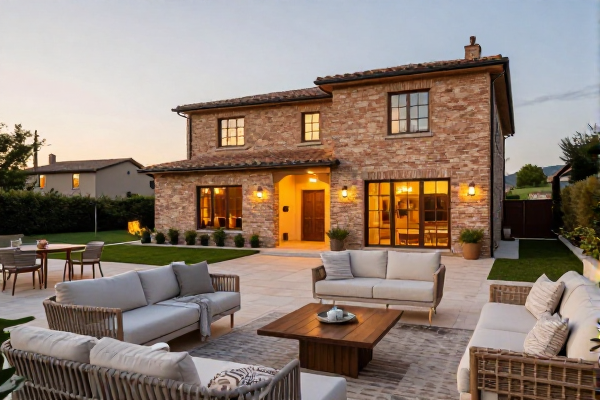
A Tuscan house, inspired by the rustic villas of the Italian countryside, is an architectural style characterized by its warm, earthy aesthetics and timeless appeal. In 2026, the average cost to build a custom Tuscan-style home in the United States ranges from $350 to $550 per square foot, with total costs heavily influenced by location, materials, and interior finishes. This style is not defined by a specific floor plan but by distinct design elements that create a sense of Old World charm and permanence.
The authenticity of a Tuscan house comes from its specific architectural details. The exterior typically features a low-pitched roof with terracotta clay tiles, which are both durable and iconic. Walls are often finished with stone veneer or textured stucco in a palette of warm tones like ochre, sienna, and gold. Other hallmark elements include arched windows and doorways, wrought-iron detailing on balconies and light fixtures, and a symmetrical, sturdy facade. The goal is to create a home that feels as if it has been part of the landscape for generations, emphasizing natural materials and handcrafted qualities.
While you can find Tuscan-inspired architecture nationwide, its popularity is strongest in regions with climates reminiscent of Italy. Based on our experience assessment, these areas include:
The following table illustrates the estimated 2026 price per square foot for a custom build in these popular regions:
| Region | Estimated Cost per Sq. Ft. (2026) |
|---|---|
| California Wine Country | $500 - $700+ |
| Arizona (Phoenix area) | $350 - $500 |
| Florida (Southwest Coast) | $400 - $600 |
| Texas (Hill Country) | $325 - $475 |
Prospective buyers should weigh the unique advantages and challenges of this style. A significant advantage is the durability and quality of materials; stone and stucco exteriors are long-lasting and require less maintenance than wood siding. The style also offers excellent resale value in the right markets due to its association with luxury and custom craftsmanship. However, potential drawbacks include higher initial costs for authentic materials like terracotta roofing and stonework. Additionally, the distinctive aesthetic may not appeal to everyone, which could be a consideration in a future sale. Energy efficiency can also be a concern with large windows and high ceilings, though modern builds often incorporate advanced insulation.

You don't need a custom-built estate to capture the essence of Tuscan living. For those looking to remodel an existing home or add character to a new build, focus on key, cost-effective elements. Consider installing terracotta tile flooring in key areas like the kitchen or entryway. Adding a wrought-iron chandelier or stair railing can instantly evoke the style. Painting exterior walls with a warm, textured stucco finish and replacing standard garage doors with carriage-style doors can dramatically alter the home's curb appeal. The interior design should embrace a warm, earthy color scheme, rustic wood beams, and natural stone countertops to complete the transformation.
Ultimately, a Tuscan house offers a unique blend of rustic elegance and durable construction. Before committing, research local builders with experience in this style, obtain multiple detailed quotes, and ensure the design complements your property's landscape. This due diligence will help you achieve the authentic Tuscan character you desire while making a sound investment for 2026 and beyond.