Browse

Log in / Register
 Share
Share
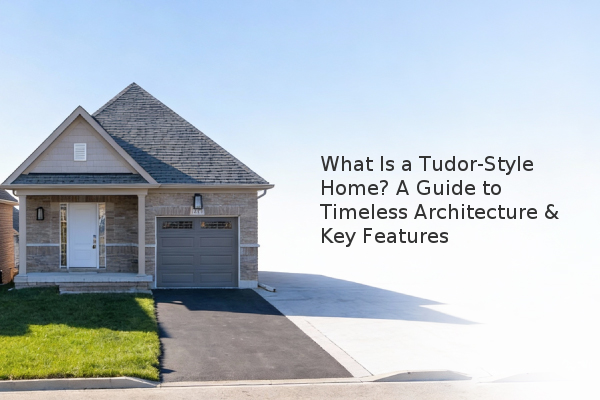
A Tudor-style home is a type of residential architecture characterized by its steeply pitched roofs, decorative half-timbering, and prominent cross gables, offering a distinct, storybook charm that remains desirable in many U.S. real estate markets. Based on our experience assessment, these homes are valued for their unique character and craftsmanship, though potential buyers should be aware of specific maintenance considerations related to their historic design elements. This guide provides an objective overview of the key features, pros, and cons of owning a Tudor.
The Tudor Revival style, which peaked in popularity in the United States during the 1920s and 1930s, draws inspiration from English building techniques of the late Medieval period. The most recognizable feature is half-timbering, a decorative framing technique where the exposed wooden beams are filled in with stucco or stone. These homes almost universally feature steeply pitched roofs, often with multiple overlapping gables. Other common characteristics include tall, narrow windows with multiple panes, a dominant front-facing gable, and masonry accents, particularly around the entrance. The exterior materials typically combine stucco, stone, and brick, creating a textured and substantial appearance.
The following table outlines the primary exterior features:
| Feature | Description |
|---|---|
| Roof | Steeply pitched, often with multiple gables |
| Half-Timbering | Decorative exposed wood beams on the upper floors |
| Windows | Tall, multi-paned, often in groups |
| Entryway | Prominent, frequently arched with stone or brick surrounds |
| Chimney | Large, ornate, and made of brick or stone |
The primary advantage of a Tudor-style property is its unparalleled architectural character. In a market filled with modern builds, a well-maintained Tudor stands out and can be a strong long-term investment in established neighborhoods. The use of high-quality, durable materials like solid masonry and wood can contribute to the home's longevity. Furthermore, the complex rooflines and irregular floor plans often result in unique, cozy interior spaces with details like arched doorways, built-in cabinetry, and exposed wood ceilings that are difficult to find in contemporary construction. These features appeal to buyers seeking a home with a sense of history and craftsmanship.
While aesthetically appealing, Tudor homes present unique considerations. The maintenance requirements can be more demanding and costly than for a newer home. The half-timbering, for instance, requires periodic painting and sealing to protect the wood from moisture and rot. The original windows, often custom-sized, can be expensive to repair or replace. Additionally, the steep roof pitch complicates routine inspections and repairs, potentially increasing maintenance costs. Energy efficiency is another factor; older Tudors may lack modern insulation, leading to higher heating and cooling expenses unless upgrades have been made. A thorough, professional home inspection is crucial to identify any underlying issues.
When compared to other popular styles, the Tudor home is distinct. Unlike the open, single-level layout of a Ranch-style home, Tudors often have a defined, multi-level floor plan. Compared to a Colonial home, which is typically symmetrical and boxy, Tudors are asymmetrical and feature more elaborate exterior detailing. While a Cape Cod home might share a steep roof, it lacks the half-timbering and masonry accents. The value proposition of a Tudor lies in its unique aesthetic, which does not appeal to every buyer but can command a premium from those who value its historic charm.
Prospective buyers should prioritize a specialized inspection, budget for higher maintenance costs, and appreciate the unique character over ultra-modern convenience. Understanding these key points ensures an informed decision when evaluating a Tudor-style property in today's market.