Browse

Log in / Register
 Share
Share
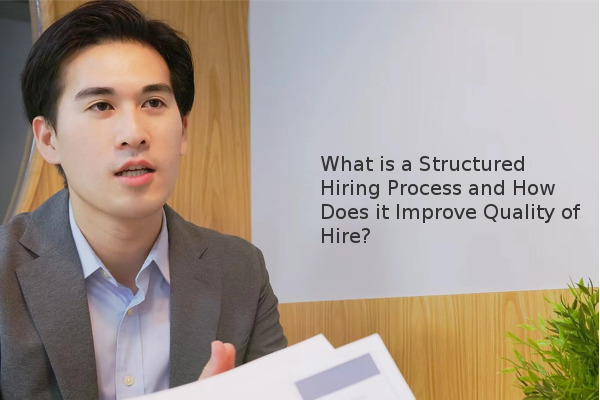
A structured hiring process is a systematic, step-by-step methodology used by recruiters and hiring managers to identify, assess, and select the best candidates for a role. Based on our assessment experience, implementing a structured approach can significantly increase the quality of hire, reduce unconscious bias, and improve the overall candidate experience. This method replaces ad-hoc decision-making with a consistent, evidence-based framework that is both efficient and legally defensible.
A structured hiring process is a standardized method for filling open positions. Unlike unstructured interviews, which can vary dramatically from one candidate to the next, a structured process ensures every applicant is evaluated against the same criteria using identical methods. This approach is rooted in data-driven recruitment, where decisions are based on objective evidence rather than gut feeling. Key components include defined job competencies, a fixed set of questions for all candidates, and a calibrated scoring system. This methodology is endorsed by organizations like the Society for Human Resource Management (SHRM) for its ability to predict job performance accurately and ensure fairness.
The structured hiring process can be broken down into six distinct phases, each building upon the last to create a comprehensive evaluation framework.
Job Analysis and Planning? The first step involves a thorough job analysis to define the role's core responsibilities and, more importantly, the specific competencies required for success. Competencies are measurable skills, knowledge, and behaviors (e.g., "problem-solving under pressure" or "cross-functional collaboration"). This phase results in a precise job description and a scorecard that outlines how candidates will be evaluated against these competencies. This upfront planning ensures alignment between the hiring team and sets clear expectations.
Sourcing and Screening? With a clear profile of the ideal candidate, recruiters can strategically source applicants from targeted channels. The initial candidate screening is then conducted consistently using a uniform checklist based on the pre-defined competencies from the scorecard. This often involves reviewing resumes and conducting brief phone screens against the same set of criteria for every applicant, quickly identifying those who possess the essential qualifications.
Structured Interviewing? This is the core of the process. A structured interview involves asking every candidate the same set of behavioral or situational questions directly linked to the job's competencies. For example, instead of asking "Tell me about yourself," a structured question would be, "Describe a time you had to deal with a difficult stakeholder. What was the situation, and what steps did you take to resolve it?" Interviewers use a consistent rating scale (e.g., 1-5) to score each answer, which minimizes personal bias and allows for objective comparison.
Skills Assessment? To validate a candidate's claimed abilities, pre-employment assessments are administered uniformly. These can include:
Evaluation and Decision-Making? After all assessments are complete, the hiring team meets for a calibration session. Here, they review each candidate's scores from the interviews and assessments collectively. This collaborative discussion, focused on the evidence gathered against the scorecard, leads to a more objective and democratic hiring decision. It prevents any single interviewer from having disproportionate influence.
Reference Checks and Onboarding? The final step involves conducting standardized reference checks, asking former employers the same questions about each finalist's performance related to the key competencies. Once an offer is accepted, a structured onboarding process begins, which is critical for talent retention. A smooth, organized onboarding experience sets the new hire up for success from day one.
Adopting a structured approach offers significant advantages over unstructured methods:
To implement a structured hiring process effectively, start with a thorough job analysis to create a definitive scorecard. Use this scorecard to guide every subsequent step, from screening to the final interview, ensuring all evaluations are based on the same objective criteria. This disciplined approach is the most reliable way to secure top talent and build a stronger team.