Browse

Log in / Register
 Share


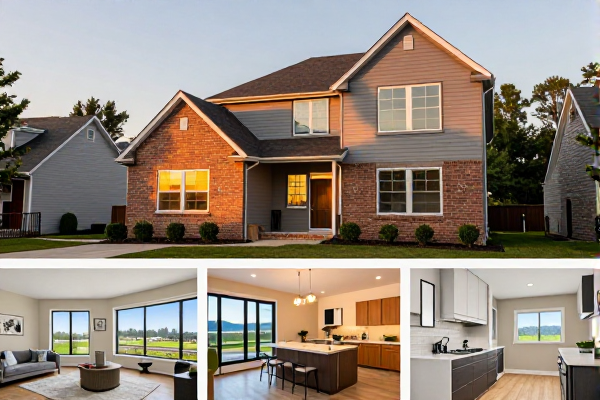
A site condo is a type of property that looks like a freestanding single-family home but is legally structured as a condominium, offering a unique middle ground with distinct ownership responsibilities and costs. For home buyers in 2026, the primary appeal is owning both the structure and the land it sits on, while still benefiting from a homeowners association (HOA) that manages shared amenities and common areas. This hybrid model is best for those seeking more autonomy than a traditional condo provides but less maintenance burden than a fully detached home.
According to the U.S. Department of Housing and Urban Development (HUD), a site condominium project must meet five specific criteria to be classified as such. Essentially, each unit must be a freestanding structure, and the owner holds a separate legal title for the individual unit and the land parcel it occupies. This is a key difference from a standard condominium, where you typically own the interior space of your unit (e.g., an apartment or townhome) but not the land or exterior building components. The entire development is governed by a condominium association, which establishes rules and collects fees.
The most significant advantage is the balance between privacy and convenience. Owners experience the joys of a private yard and the autonomy to landscape or make certain exterior changes, which is uncommon in standard condo living. However, they are not solely responsible for major common area upkeep. Based on our experience assessment, if a snowstorm blocks the community's main roads, the condo association handles the plowing, though you would still be responsible for your own driveway. Similarly, community amenities like a pool or clubhouse are maintained through HOA fees, reducing your individual maintenance workload. This structure provides a predictable monthly cost for shared services without the full, unpredictable expense of single-family home upkeep.
Because ownership includes the land, a site condo is typically more expensive than a traditional condo but often less expensive than a comparable single-family home. The associated monthly HOA fees are also usually lower than those for a high-rise or townhome-style condo. For traditional condos, fees starting at $200 to $300 per month are common and cover everything from exterior building insurance to lawn care and trash removal. For a site condo, fees are often reduced because the owner is responsible for their own lot's maintenance. These fees primarily cover shared expenses like road maintenance, security, or community amenities.
Potential buyers must carefully review the condo association's governing documents, known as the Covenants, Conditions, and Restrictions (CC&Rs). These rules can impose limitations that surprise those expecting the complete freedom of a single-family home. Restrictions might govern exterior paint colors, fencing styles, roof materials, or where you can park recreational vehicles. It is crucial to read and understand all CC&Rs before purchasing to ensure the community's rules align with your lifestyle. Failure to comply can result in fines.
In summary, a site condo is an excellent option for buyers who want the physical space of a house and the ability to maintain their own yard, but who also value the convenience and shared cost structure of a managed community. The decision hinges on your desire for autonomy versus your willingness to adhere to community rules. Always obtain and review the full set of HOA documents before making an offer to avoid unexpected constraints on your property use.