Browse

Log in / Register
 Share
Share
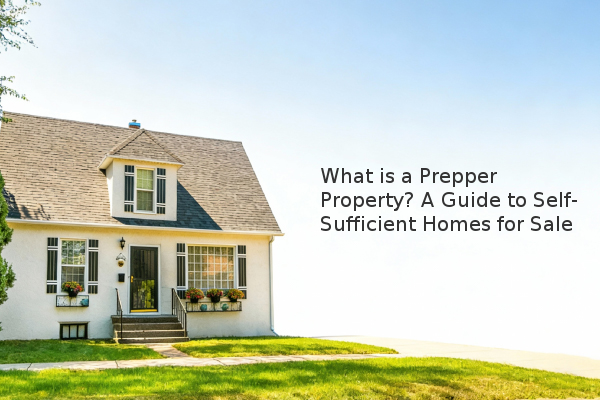
A prepper property is a residence specifically designed or equipped for self-sufficiency and resilience in the face of extended emergencies, from power outages to major societal disruptions. These homes, often in rural or remote locations, feature independent power, water, and food sources. Based on our experience assessment, the market for such specialized real estate is niche but growing, with unique considerations for potential buyers focused on security and autonomy.
What Defines a Prepper Property? The core of a prepper property lies in its ability to function independently from public utilities. Key features often include a backup generator or solar power system, a reliable water source like a well with a manual hand pump, and sustainable food production capabilities such as gardens or greenhouses. Security elements, including strategic location and reinforced structures, are also common. Unlike a standard vacation home, a prepper property’s value is heavily weighted toward its functional infrastructure, not just its aesthetic appeal. For example, a property with a professionally installed whole-house generator and a proven, high-yield well may command a higher price than a similar-sized cabin without these critical systems.
Why Location is Critical for a Self-Sufficient Retreat The location of a prepper property is arguably its most important attribute. Seclusion offers privacy and security, but it must be balanced with accessibility. A retreat that is too difficult to reach may become impractical. Ideal locations are often in unpopulated areas within a few hours' drive of a major city, providing a balance between isolation and the ability to acquire supplies. Properties situated at higher elevations can offer strategic advantages, including better visibility and improved security. Furthermore, local climate and growing seasons directly impact the viability of long-term food production, making these environmental factors a key part of the purchasing decision.
Analyzing the Investment Potential of a Survivalist Home From an investment perspective, prepper properties are highly specialized. Their value is not solely tied to traditional market fluctuations but also to the quality and maintenance of their self-sufficient systems. While they may appeal to a smaller buyer pool, that pool is often highly motivated. The resale value can be significantly influenced by the functionality and modernity of the off-grid systems. It's crucial to obtain a specialized inspection that assesses the condition of generators, water purification systems, and structural integrity beyond a standard home inspection. The following table outlines key value drivers:
| Value Driver | Standard Home | Prepper Property |
|---|---|---|
| Primary Value | Square footage, finishes, location | Quality of off-grid systems, security, land |
| Market Volatility | Tied to interest rates and local economy | More niche, potentially less volatile |
| Key Maintenance | HVAC, roof, appliances | Generators, water systems, security features |
What to Look for When Buying a Self-Sufficient Home Prospective buyers should conduct thorough due diligence. First, verify the functionality of all independent systems. Test the generator under load, have the well water professionally tested, and inspect food storage areas for pests or moisture. Second, understand the local property tax obligations, which are annual charges levied by the local government on property owners. Land size can significantly impact this tax bill. Third, investigate land-use regulations and zoning laws that might restrict activities like hunting, trapping, or building additional structures. Finally, consider the long-term costs of maintaining complex systems; a solar array or generator will require periodic servicing and part replacements.
Key considerations before purchasing a self-sufficient property include verifying all off-grid systems, understanding tax implications, and assessing long-term maintenance costs. Consulting with a real estate professional experienced in rural or unique properties can provide invaluable guidance through this complex process. The goal is to ensure the property not only meets your preparedness goals but is also a sound and manageable long-term investment.