Browse

Log in / Register
 Share
Share
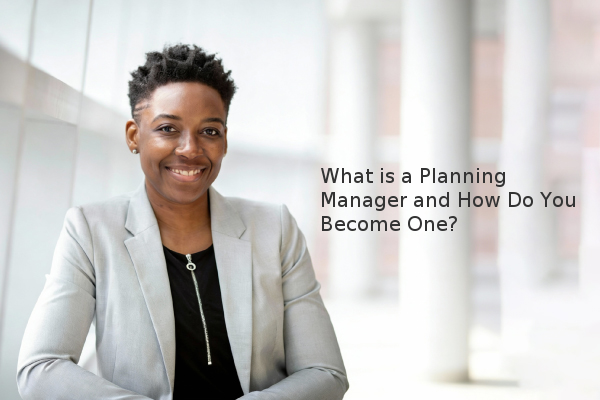
A Planning Manager is a strategic professional who designs and implements community infrastructure projects, balancing modern development with environmental and heritage conservation. To become one typically requires an accredited degree in urban planning, relevant work experience, and a strong skill set in project management, negotiation, and critical thinking. This role is critical for shaping sustainable and functional towns and cities.
A Planning Manager, sometimes referred to as a Planning Officer, is responsible for the long-term development of communities. Their primary function is to create blueprints for housing, transport links (like roads and railways), schools, and parks. They work closely with local governments and councils to ensure projects meet legal regulations, secure funding, and address the specific needs of the population. A key part of their role involves stakeholder negotiation and performing regular site visits to oversee project progress and quality.
Based on common industry assessments, their core responsibilities include:
The field of planning management offers specializations, primarily focusing on the specific scope of the projects. The two main types are:
Success in this role hinges on a blend of technical knowledge and soft skills. The most critical skills, as outlined by industry bodies like the Royal Town Planning Institute, include:
| Skill | Application in the Role |
|---|---|
| Communication | Negotiating with stakeholders, writing reports, and liaising with the public and contractors. |
| Critical Thinking | Solving complex problems, such as navigating legislative hurdles or adapting plans to tight budgets. |
| Leadership | Leading project teams, managing contractors, and guiding discussions with officials. |
| Project Management | Overseeing multiple projects simultaneously, ensuring they stay on time and within budget. |
| Organisation | Juggling competing responsibilities, maintaining project documentation, and adhering to timelines. |
The path to becoming a Planning Manager is structured and requires a combination of formal education and practical experience. Here is a typical three-step process:
Obtain a Relevant Qualification. The most common route is to earn an undergraduate degree accredited by a professional body like the Royal Town Planning Institute. Suitable degrees include Urban Planning, Property Development, or Geography. Alternatively, you can enter the field through a chartered town planner degree apprenticeship, which provides paid, on-the-job training alongside academic study.
Gain Practical Work Experience. After qualifying, securing work experience is crucial for developing industry-specific knowledge. This can be achieved through internships, graduate schemes, or by shadowing a senior planning manager. This hands-on experience is invaluable for understanding the day-to-day realities of the job.
Develop Your Skill Set. Continuously hone both technical skills (like using Geographic Information System (GIS) tools) and soft skills. Leadership, negotiation, and critical thinking can be developed through mentorship, targeted training courses, and direct experience on projects.
To build a successful career as a Planning Manager, focus on acquiring an accredited qualification, gaining diverse project experience, and mastering the essential skills of communication, project management, and critical thinking. This strategic approach will prepare you for a rewarding role in shaping community infrastructure.