Browse

Log in / Register
 Share

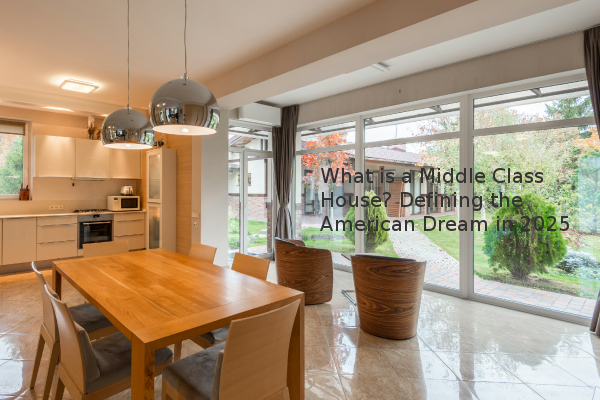
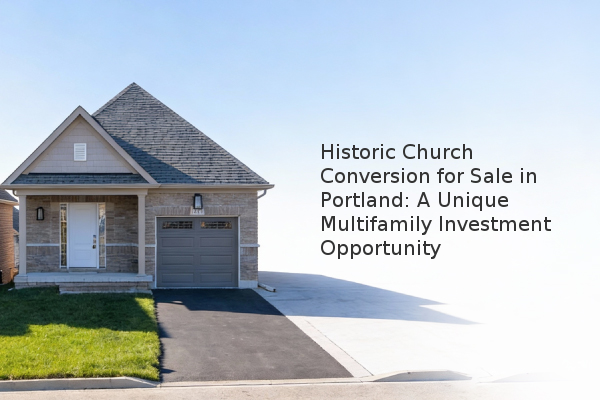
In the United States, a middle-class house is typically a single-family home with three bedrooms and two bathrooms, situated in a suburban neighborhood with good public schools, and carrying a price tag that aligns with the national median home price, which was approximately $412,000 in early 2025. This housing segment represents the most attainable version of the American Dream for a broad swath of the population, balancing affordability, space, and community amenities.
The definition is not merely about square footage or architectural style; it's fundamentally tied to financial accessibility for median-income households. Understanding the key characteristics of a middle-class home provides crucial insight into the health of the broader real estate market and the economic well-being of average Americans.
The most direct way to define a middle-class house is by its price, which is intrinsically linked to local income levels. While the national median offers a benchmark, prices vary dramatically by state and metropolitan area. A home considered middle-class in Cleveland, Ohio, will be priced significantly lower than one in San Jose, California. The key metric is affordability: housing costs, including mortgage, taxes, and insurance, should not exceed 30% of a household's gross income. For a family earning between $70,000 and $140,000 annually—a common range for the middle class—this translates to a target home price between $300,000 and $550,000 in many markets.
The table below illustrates the variance in median home prices, a proxy for middle-class housing, across different U.S. regions as of early 2025:
| Region | Approximate Median Home Price | Key Characteristic |
|---|---|---|
| Midwest | $320,000 | Highest affordability and larger lot sizes. |
| South | $375,000 | Rapid growth in many metro areas. |
| Northeast | $465,000 | Older housing stock, higher property taxes. |
| West | $595,000 | Highest prices, concentrated in coastal cities. |
Beyond price, these homes share several physical and locational attributes. The quintessential middle-class house is often a single-family home (a standalone structure on its own lot, also known as a freehold property) rather than a condominium or townhouse. This preference is driven by a desire for private outdoor space and autonomy over the property.
Typical features include:
For most buyers, purchasing a home in this category requires a mortgage loan. The most common option is a 30-year fixed-rate mortgage, which provides stable, predictable monthly payments over the long term. A critical step in the process is obtaining pre-approval, which is a lender's conditional commitment to loan you a specific amount based on your credit and finances.
A significant barrier to entry is the down payment. While a 20% down payment is ideal to avoid private mortgage insurance (PMI), many programs allow for lower down payments, some as low as 3% for qualified first-time buyers. It is vital to factor in closing costs, which are fees paid to finalize the real estate transaction and typically range from 2% to 5% of the home's purchase price. These include charges for the appraisal, title insurance (a policy that protects the lender and buyer from financial loss due to defects in the property title), and origination fees.
Navigating the market for a middle-class house requires a strategic approach. Buyers should prioritize their "needs" versus "wants." A third bedroom may be a necessity for a growing family, while a swimming pool may be a desirable luxury. It is also essential to look beyond the listing price and budget for ongoing costs, such as property taxes, homeowners insurance, and routine maintenance, which can amount to 1% to 3% of the home's value annually.
Working with a knowledgeable real estate agent can provide invaluable guidance. A key part of an offer is often a home inspection contingency, a clause in the purchase contract that allows the buyer to have the property professionally inspected and potentially renegotiate or withdraw the offer based on the findings.
In summary, the middle-class house remains a cornerstone of American life, defined by a balance of affordability, practicality, and community.