ok.com
Browse
Log in / Register

What is a Kitchenette? Pros, Cons, and Key Differences from a Full Kitchen

OKer_ow8nj7n
12/09/2025, 08:50:59 AM
What is a Kitchenette? Pros, Cons, and Key Differences from a Full Kitchen

A kitchenette is a compact, space-efficient cooking area designed for simple meal preparation, typically featuring a mini-refrigerator, a small sink, and a limited cooking appliance like a microwave or hot plate. Unlike a full kitchen, its primary advantage is maximizing functionality in minimal square footage, making it ideal for studio apartments, basements, ADUs, and guest suites. While cost-effective and low-maintenance, a kitchenette's limitations include minimal storage and a lack of full-sized appliances, which may not suit those who cook elaborate meals regularly.

What is a Kitchenette and How is it Defined?

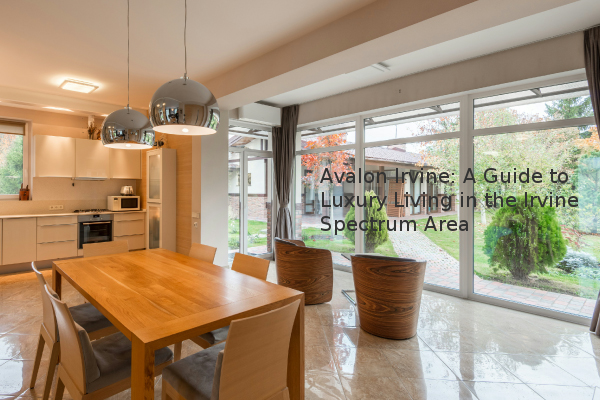
A kitchenette is defined as a small-scale cooking space, often situated against a single wall or in a corner. It includes essential, compact appliances but lacks the full suite of a traditional kitchen. Matthew Sherborne, owner of the home design firm Designing Idea, explains that standard features often include a mini-fridge, a sink, a cooktop or hot plate, limited counter space, and minimal cabinetry. Some configurations may incorporate a small oven or a convection microwave. The key distinction is its streamlined design, which prioritizes efficiency and space-saving in areas where a full kitchen is impractical or unnecessary.

Where Are Kitchenettes Commonly Found?

Kitchenettes are versatile and found in various settings beyond small apartments. According to Suzanne Taylor of Taylor Made Contracting, common locations include:

  • Secondary Living Spaces: Basements, in-law suites, and Accessory Dwelling Units (ADUs) benefit from a kitchenette, providing guests or tenants with food preparation independence without needing a full kitchen.
  • Short-Term Rentals: Airbnb units and rental properties use kitchenettes to add value and self-sufficiency for occupants.
  • Bonus Rooms: Finished basements or recreational rooms can be enhanced with a kitchenette for convenient refreshment access.
  • Tiny Homes: With severely limited square footage, a kitchenette is often the standard for food preparation.

Kitchenette vs. Full Kitchen: What’s the Difference?

The main difference lies in scale, functionality, and appliance size. A full kitchen is designed for comprehensive meal preparation and includes a full-sized refrigerator, an oven, a stovetop with multiple burners, ample counter space, and significant storage. A kitchenette offers a subset of these features with smaller, often combined, appliances. It is not designed for cooking large or complex meals but is perfectly suited for light cooking, reheating food, and storing basic groceries.

What are the Pros and Cons of a Kitchenette?

Pros:

  • Space Efficiency: A kitchenette requires minimal square footage, freeing up room for other living areas.
  • Cost-Effective: Installation and appliance costs are generally lower than those for a full kitchen.
  • Low Maintenance: Less counter space and fewer appliances mean easier and faster cleaning.
  • Added Property Value: It can increase the appeal and functionality of a secondary space, which may be attractive to future renters or buyers.

Cons:

  • Limited Functionality: The lack of an oven, dishwasher, and full-sized refrigerator can be a significant drawback for some.
  • Minimal Storage: Cabinet and drawer space is extremely limited, requiring creative organizational solutions.
  • Potential Installation Hurdles: Adding a new kitchenette, especially from scratch, can cost $10,000 or more and may be subject to local zoning regulations and building codes.

How Can You Maximize Space in a Kitchenette?

Effective space-saving strategies are essential for a functional kitchenette. Based on our experience assessment, consider these hacks:

  • Utilize Vertical Space: Install floating shelves, magnetic knife strips, and wall-mounted racks to keep items accessible without cluttering countertops.
  • Choose Multi-Functional Appliances: A combination microwave/convection oven or a unit that integrates a sink, fridge, and cooktop can save considerable space.
  • Incorporate Smart Organizers: Use pull-out shelves, lazy Susans in corner cabinets, and drawer dividers to maximize every inch of storage.
  • Add Fold-Down Surfaces: A wall-mounted, fold-down table can serve as both a prep area and a dining spot, then tuck away when not in use.

Ultimately, a kitchenette is right for you if your cooking needs are basic, you require a convenient secondary food-prep area, or you are optimizing a small living space. If you regularly prepare large meals or entertain frequently, a full kitchen remains the more practical option. For those adding a kitchenette, ensuring the design is consistent with the rest of the home's style and checking local regulations beforehand is crucial for a successful project.

Cookie
Cookie Settings
Our Apps
Download
Download on the
APP Store
Download
Get it on
Google Play
© 2025 Servanan International Pte. Ltd.