Browse

Log in / Register
 Share
Share
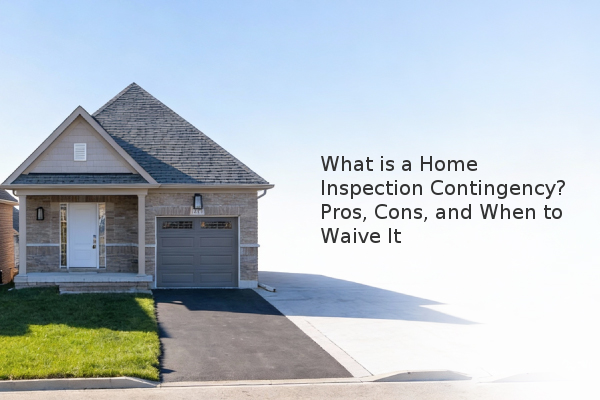
A home inspection contingency is a critical clause in a real estate purchase agreement that protects the buyer. This provision allows you to back out of the deal or renegotiate the price if a professional inspection uncovers significant issues with the property. While it provides essential leverage and peace of mind, waiving it can sometimes make your offer more competitive in a fast-paced market. Based on our experience assessment, retaining this contingency is generally advised to avoid costly surprises, but specific circumstances may justify its removal.
A home inspection contingency is a clause added to a real estate purchase agreement that grants the buyer a specified period, typically 7 to 10 days, to have the property professionally inspected. If the inspection reveals major defects—such as foundational problems, a faulty roof, or outdated electrical systems—the buyer can then choose to: proceed with the purchase, request repairs, negotiate a lower sale price, or withdraw their offer without penalty and reclaim their earnest money deposit (the good-faith funds submitted with an offer).
This contingency is a cornerstone of a buyer's due diligence, serving as a safeguard against purchasing a home requiring unforeseen and expensive repairs.
Understanding the advantages and disadvantages helps in making an informed decision.
| Pros of an Inspection Contingency | Cons of an Inspection Contingency |
|---|---|
| Protection from major, unexpected defects that may not be visible during a walkthrough. | Potentially weaker offer in a competitive market, as sellers may favor bids with fewer conditions. |
| Negotiation leverage to request repairs or a price reduction based on the inspection report. | Additional cost for the inspection, typically ranging from $300 to $600. |
| Informed decision-making about one of the largest financial investments you will make. | Can delay the closing process if negotiations over repairs become protracted. |
The process follows a logical sequence after your offer is accepted:
While retaining the contingency is the safer choice, there are specific scenarios where waiving it might be strategically considered:
If you want some protection but need to strengthen your offer, consider these alternatives:
The decision to include a home inspection contingency is a balance between risk and reward. For most buyers, the protection it offers far outweighs the potential downsides. The cost of an inspection is minimal compared to the expense of repairing a major structural issue. If you are considering waiving this contingency, proceed with extreme caution and only if you have a clear, strategic reason and a full understanding of the potential financial exposure. Always consult with your real estate agent to assess the risks specific to your local market and transaction.