Browse

Log in / Register
 Share
Share
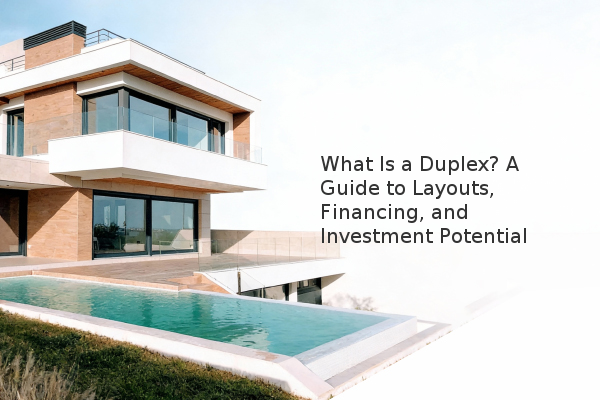
A duplex is a single residential building divided into two separate living units, each with its own entrance, kitchen, bathrooms, and living spaces. This property type is popular among homeowners seeking rental income through house hacking and investors looking for a scalable real estate strategy. Understanding the structure, financial benefits, and key considerations of a duplex is essential for making an informed real estate decision.
A duplex is characterized by its two distinct units under one roof. The most common layouts are side-by-side, where the units share a common wall, or up-and-down, where one unit is stacked above the other. Each unit functions as an independent home. It is crucial to distinguish a duplex from a single-family home (one unit) or a multi-family property like a triplex (three units) or apartment building. Ownership of a duplex typically involves one property deed and one property tax bill for the entire structure, even if the owner occupies one unit and rents the other.
Key Question: How does a duplex differ from a townhouse? While both may share walls, a townhouse is often part of a larger community with a homeowners association (HOA) and is considered a single-family attached home. A duplex is a two-unit multi-family property, and its ownership structure is different.
Owning a duplex presents unique opportunities and challenges. The primary advantage is the potential for rental income. The rent collected from the second unit can significantly offset the owner's mortgage payment, a strategy known as house hacking. This can make homeownership more affordable. Additionally, duplexes can appreciate in value and offer tax benefits, as expenses like maintenance and insurance can be deducted against rental income.
However, disadvantages include the responsibilities of being a landlord, such as managing tenants, handling maintenance requests, and understanding landlord-tenant laws in your state. There is also less privacy compared to a single-family home, as you live in close proximity to your tenants.
| Pros of a Duplex | Cons of a Duplex |
|---|---|
| Rental income to offset mortgage | Landlord responsibilities (maintenance, tenants) |
| Potential for property appreciation | Less privacy than a single-family home |
| Tax deductions on rental-related expenses | Potentially higher upfront costs and down payment |
Financing a duplex differs from a single-family home. If you intend to live in one unit, you may qualify for an FHA loan or a conventional loan with a down payment as low as 3.5-5%. However, if you are purchasing the property solely as an investment, lenders typically require a 15-25% down payment. It's critical to get pre-approved to understand your budget. When evaluating a duplex as an investment, calculate key metrics like the cap rate (capitalization rate) and cash-on-cash return to assess profitability. Always factor in costs for property insurance, maintenance reserves, and potential vacancy rates.
Key Question: What should I look for during a duplex inspection? A thorough inspection is non-negotiable. Focus on the condition of shared systems like the roof, foundation, and plumbing. Ensure each unit has separate utility meters (e.g., for electricity and gas) to avoid billing disputes with tenants.
Before purchasing a duplex, due diligence is paramount. First, research local zoning laws to confirm the property is legally allowed to operate as a two-unit rental. Next, review the existing rental agreements if the property is already tenanted. Finally, conduct a detailed financial analysis. Create a spreadsheet projecting all income and expenses to ensure the investment aligns with your financial goals. Consulting with a real estate professional experienced in multi-family properties is highly recommended.
In summary, a duplex is a versatile real estate asset that can serve as both a home and an investment vehicle. The potential for rental income is a significant draw, but it comes with the added responsibility of property management. Success hinges on thorough research, understanding financing options, and a clear analysis of the property's financial performance. Prospective buyers should prioritize a professional inspection, verify local zoning regulations, and create a detailed budget that accounts for both ongoing and unexpected expenses.