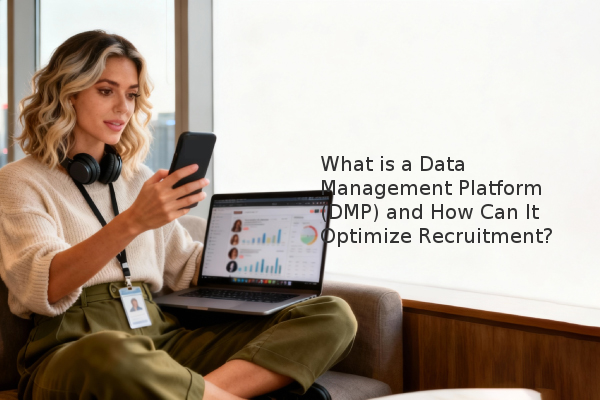
A Data Management Platform (DMP) is a centralized system that collects, organizes, and activates data from multiple sources to enable highly targeted talent acquisition strategies. For recruiters, leveraging a DMP can lead to a 25-30% increase in candidate pipeline quality and a significant reduction in cost-per-hire by ensuring marketing efforts reach the most relevant potential candidates. This data-driven approach transforms how companies build their employer brand and engage with talent.
How Can a DMP Improve Your Recruitment Marketing Strategy?
A DMP functions by aggregating vast amounts of information, which for recruiters can include data from career site visitors, social media engagement, past applicant interactions, and even third-party data from job boards. This data is then cleansed, organized, and segmented into detailed candidate profiles. For example, a tech company could use its DMP to create a segment for "passive software engineers in San Francisco with Python skills who have visited our careers page." This allows for hyper-targeted recruitment campaigns, such as displaying specific job ads for those individuals across different web platforms, making your recruitment advertising budget far more efficient.
What Are the Core Functions of a DMP in Talent Acquisition?
Understanding the specific functions of a DMP clarifies its direct application in recruitment:
- Data Collection & Storage: A DMP securely gathers first-party data (from your own ATS and career site) and third-party data (from professional networks or market research). It provides a single, scalable repository, eliminating data silos between HR and Marketing departments.
- Candidate Segmentation & Analysis: This is where the strategic value lies. The platform analyzes the collected data to segment candidates based on demographics, skills, online behavior, and career interests. This analysis helps identify not just active applicants but also valuable passive talent pools.
- Data Activation: The ultimate goal is to use these insights. A DMP enables programmatic job advertising, allowing you to automatically place job ads in front of your defined segments across thousands of websites, ensuring your message reaches the right people at the right time.
What Should Recruiters Consider Before Implementing a DMP?
While powerful, deploying a DMP requires careful planning. Based on our assessment experience, key considerations include:
- Data Privacy Compliance: Recruiters must ensure their use of candidate data strictly adheres to regulations like the GDPR (General Data Protection Regulation) and CCPA (California Consumer Privacy Act). This means obtaining clear consent for data collection and providing transparency about how candidate information is used.
- Data Quality: The insights generated are only as good as the data fed into the system. Establishing processes for clean, accurate, and updated data collection is critical for effective candidate targeting.
- Cost vs. ROI: DMPs represent a significant investment. Organizations should clearly define their recruitment goals—such as reducing time-to-fill for niche roles or improving the quality of hire—to measure the platform's return on investment effectively.
How Do You Successfully Implement a DMP for Recruitment?
A structured rollout is essential for success. The process typically involves:
- Defining Objectives: Start by identifying specific recruitment challenges. Are you aiming to improve diversity hiring, scale up hiring in a new region, or reduce reliance on expensive recruitment agencies?
- Selecting a Provider: Choose a platform that aligns with your technical capabilities, budget, and integration needs with existing HR systems like your Applicant Tracking System (ATS).
- Configuring and Testing: Integrate your data sources, configure user permissions for your recruitment team, and thoroughly test the system with a pilot campaign before a full launch.
- Training and Optimization: Ensure your talent acquisition team is trained to use the platform's analytics and activation tools. Continuously monitor performance and refine your segments and strategies based on the data.
In summary, a DMP moves recruitment from a reactive process to a proactive, data-informed strategy. The key advantages for recruiters include more precise candidate targeting, improved employer branding engagement, and a higher return on recruitment marketing spend. By centralizing candidate data, organizations can make smarter, faster, and more cost-effective hiring decisions.


 Share
Share