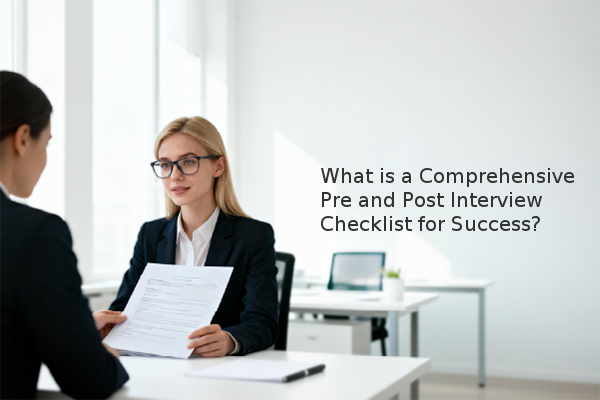
Acing a job interview requires meticulous preparation before and strategic follow-up after the meeting. A comprehensive checklist, covering actions from deep company research to sending thank-you notes, significantly increases your chances of receiving a job offer by ensuring you are fully prepared and leave a lasting, professional impression.
What Should You Do Well Before the Interview?
The foundation of a successful interview is laid days in advance. This phase involves deep research and preparation to build your confidence and knowledge.
- Research the Organization and Role: Go beyond the company's homepage. Study their recent news, annual reports, mission statement, and social media presence. Understand their industry position, challenges, and culture. For the role, analyze how your skills align with the responsibilities beyond what's in the job description.
- Decode the Job Description: The job description is a blueprint for the interviewer's needs. Highlight key skills and experiences mentioned. Prepare specific examples from your past that demonstrate these competencies, a core aspect of a structured interview (a standardized method where all candidates are asked the same predetermined questions). This preparation is crucial for competency-based interviews, which focus on past behavior as an indicator of future performance.
- Prepare Your Materials: Update your resume to reflect your most recent achievements and ensure it aligns with the job description. Print several clean copies to bring with you. Prepare a list of thoughtful, insightful questions for the interviewer that show your genuine interest, such as inquiring about team dynamics or key challenges for the role.
- Plan the Logistics: Confirm the interview's exact address and time. Perform a test run of the journey to accurately gauge travel time and avoid being late. Choose your professional attire the night before.
How Can You Make the Final Hours Count?
The final preparations focus on mental readiness and minimizing day-of stress.
- Review Your Talking Points: Briefly revisit your prepared examples and answers, but avoid cramming. The goal is to refresh your memory, not create new anxiety.
- Gather Essential Items: Pack a bag with your resume copies, a notepad, a pen, and a bottle of water. Ensure your phone is fully charged but plan to silence it during the interview.
- Mindset and Punctuality: Aim to arrive at the location 10-15 minutes early. This buffer allows for unexpected delays and gives you a moment to compose yourself. Use this time to observe the office environment.
What Are the Critical First Steps After the Interview?
Your work isn't over when the interview ends. Immediate post-interview actions are critical for reinforcing your candidacy.
- Send Thank-You Notes: Within 24 hours, send a personalized thank-you email to each interviewer. Express gratitude for their time, reiterate your specific interest in the role, and briefly mention a key point from your conversation. This simple gesture demonstrates professionalism and keeps you top-of-mind.
- Conduct a Self-Assessment: While the experience is fresh, jot down your reflections. What questions did you answer well? Which ones could have been stronger? Based on our assessment experience, this honest evaluation is invaluable for improving your performance in future interviews.
- Prepare for Next Steps: Mentally prepare for potential follow-up questions or a second-round interview. Have your calendar ready in case you are contacted to schedule another meeting.
How Do You Handle the Follow-Up and Outcome?
This phase involves patience and a proactive approach to communication and decision-making.
- Send a Polite Follow-Up: If you haven't heard back by the timeline provided, it's appropriate to send a brief, polite follow-up email to the recruiter or hiring manager to inquire about the status.
- Evaluate an Offer: If you receive an offer, carefully evaluate it against your career goals and expectations. Consider the entire compensation package, including base salary, bonuses, health benefits, retirement plans, and paid time off. Be prepared for salary negotiation by researching the typical salary band (the range of pay established by an employer to pay employees performing a particular job) for that role in your location and experience level.
By systematically following this pre and post interview checklist, you transform a stressful event into a manageable process. The key to success lies in thorough preparation, a professional follow-up, and a constructive review of your performance, regardless of the outcome.


 Share