Browse

Log in / Register
 Share
Share
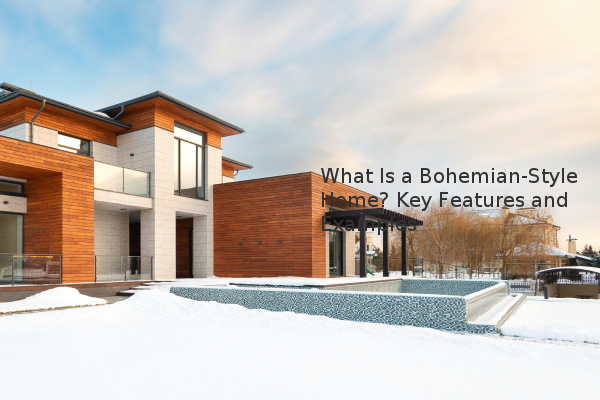
Bohemian-style, or "boho," homes are defined by an eclectic, artistic, and highly personalized approach to decor that emphasizes self-expression over strict design rules. Characterized by rich, layered fabrics, a mix of patterns, and globally inspired artifacts, this aesthetic creates a relaxed and creatively charged atmosphere. While the style has historical roots in the lives of artists and free thinkers, its modern interpretation is accessible to anyone looking to infuse their living space with warmth and character. The core of bohemian design is not about a specific price point but about curating a space that feels collected and lived-in.
The bohemian style is not defined by a single look but by a set of principles that prioritize individuality. Based on our experience assessment, the most consistent features include:
When house hunting with a bohemian aesthetic in mind, look beyond the seller's current staging. Focus on the architectural bones of the home. Key features to look for include interesting architectural details, ample natural light, and flexible living spaces. Homes with character, such as exposed beams, arched doorways, or nooks, provide an ideal canvas for layered decor. Open floor plans or rooms with non-standard layouts can be advantageous for creating the relaxed, flowing spaces typical of boho design. The goal is to find a property that allows your collections and art to become the focal point.
It's easy to confuse bohemian with other styles like rustic or coastal chic. The primary difference lies in the intention and execution. While rustic design might emphasize reclaimed wood and a neutral palette for a more uniform look, bohemian style intentionally embraces a curated clutter and a vibrant mix. For example, a coastal home might use blue-and-white colors in a streamlined way, whereas a boho space would layer those same colors with multiple patterns, metallic accents, and textured textiles. The bohemian aesthetic is inherently more personal and less minimalist.
Absolutely. The historical roots of bohemianism are in resourcefulness and creativity, not wealth. The essence of boho is personal expression, which is achievable at any budget. The key is to focus on acquiring unique pieces over time rather than buying a full set of new furniture. Thrift stores, flea markets, and DIY projects are excellent ways to find one-of-a-kind items that add character. Incorporating personal artwork, family heirlooms, and textiles from travels can build a layered look without a significant financial investment. The most authentic boho spaces evolve gradually.
To incorporate bohemian elements into your home, start by layering textiles and introducing plants. Focus on creating a space that reflects your personal journey and collections rather than adhering to a strict design manual. The most successful bohemian interiors are those that feel authentic and tell a story. By prioritizing comfort, creativity, and individuality, you can create a home that is uniquely yours.