Browse

Log in / Register
 Share
Share
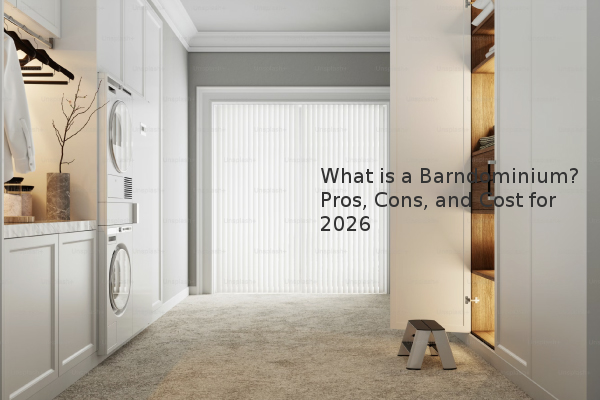
A barndominium, often called a "barndo," is a metal building converted into a living space that combines a residential area with a large workshop or barn. For 2026, this real estate trend continues to attract buyers seeking affordable, customizable homes with ample space for hobbies, work, or livestock. Based on our experience assessment, the primary appeal lies in lower construction costs per square foot compared to traditional homes and the flexibility of an open-concept floor plan. However, securing financing and navigating local zoning laws are critical considerations.
The benefits of barndominium living are significant, particularly for those valuing space and durability. The steel frame construction is highly resistant to fire, pests, and severe weather, potentially leading to lower insurance premiums. The interior is defined by a wide-open layout, free from load-bearing walls, allowing for complete customization. For example, a property like the one at 14133 Starview Ln in North Zulch, TX, showcases a vaulted wood ceiling and an open floor plan that maximizes the sense of space. Furthermore, the typical inclusion of large acreage, as seen with the 57-acre property in Fort Collins, CO, offers unparalleled privacy and room for outdoor activities.
Prospective buyers must approach a barndominium purchase with a clear understanding of potential challenges. Financing can be more complex than for a standard home; some lenders may classify it as a non-standard construction type, requiring a specialized loan. It is crucial to verify zoning regulations and building codes with the local county to ensure the property is permitted for residential use. A property's multipurpose nature, like the one at 10507 E County Road 90 in Midland, TX, which includes a shop and livestock barn, is a major asset, but buyers should confirm all structures are legally compliant. A thorough home inspection is also essential to assess the quality of the conversion.
The price of a barndominium is heavily influenced by location, size, land acreage, and the level of finish. Current listings show a wide range, from $259,900 for a 5-acre property in Detroit, TX, to over $1.3 million for expansive ranch-style estates in Texas Hill Country. The cost is often tied to the land value. For instance, the $1,495,000 property on Lake Margaret in Minnesota derives a significant portion of its value from its lakefront location. While the base building cost can be lower, high-end customizations like the cedar cabinets in the Bullard, TX home or a second kitchen in a game room can elevate the final price considerably.
Barndominiums can be a sound investment, but their resale value is market-dependent. In rural or semi-rural areas where the style is recognized, they may hold value well. Their appeal is often niche, targeting buyers looking for a low-maintenance property with functional workspace. A well-maintained barndominium on desirable land, such as the 25-acre ranchette in Fredericksburg, TX with its guesthouse and outdoor amenities, is likely to retain strong value. However, in suburban areas where traditional homes dominate, finding a comparable buyer might take longer. The investment potential is strongest when the property's unique features align with local demand.
To make an informed decision, prioritize a specialized inspection to evaluate the building envelope and conversion quality. Consult with local zoning authorities and a lender familiar with non-standard construction upfront. Finally, view the property’s acreage and outbuildings as integral to its value, ensuring they meet your long-term needs for work, recreation, or livestock.