Browse

Log in / Register
 Share

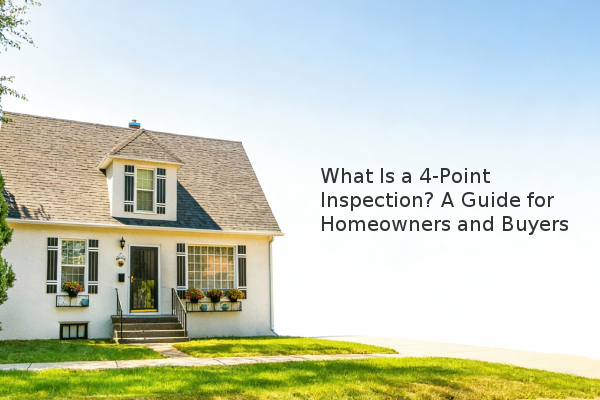
A 4-point inspection is a specialized assessment focusing on a home's four major systems: the roof, electrical, plumbing, and HVAC. Required by many homeowners insurance companies, especially for homes over 20 years old or in certain states, its primary purpose is to evaluate risk. Failing to address issues identified in this inspection can lead to denied coverage, limited policies, or required repairs. Understanding what this inspection entails and how to prepare for it is essential for securing and maintaining your insurance policy.
Unlike a full home inspection, which provides a comprehensive evaluation of a property's condition, a 4-point inspection has a narrow, insurance-driven focus. A licensed inspector conducts a brief, yet targeted, examination of four key areas to determine their age, condition, and functionality. The goal is not to find every minor defect but to identify significant, pre-existing conditions that pose a liability risk to an insurer. This inspection is a common prerequisite for underwriting a policy on an older home.
Insurance companies use 4-point inspections to manage risk. Older homes, typically those aged 20-30 years or more, are more likely to have aging systems that could fail and lead to costly claims. According to data from the Insurance Services Office (ISO), water damage and freezing account for nearly 30% of all homeowners insurance claims, highlighting the importance of assessing plumbing and other core systems.
The inspector will provide a clear "pass" or "fail" status for each of the four systems based on observable condition. The following table outlines the key points of evaluation:
| System | Key Inspection Points | Common Issues |
|---|---|---|
| Roof | Age, material, condition, visible damage, estimated remaining life. | Deteriorating or leaking roofs are a major red flag. |
| Electrical | Wiring type (e.g., copper, aluminum, knob-and-tube), panel condition, safety. | Outdated knob-and-tube or aluminum wiring is often flagged as a fire hazard. |
| Plumbing | Pipe material (e.g., copper, PEX, polybutylene), leaks, corrosion. | Polybutylene (PB) pipes, used from the 1970s-1990s, are prone to failure and can lead to denial. |
| HVAC | System age, functionality, and evidence of maintenance. | A non-operational system or lack of central heating in cold climates may be disqualifying. |
Proactive preparation can prevent surprises that might affect your insurance eligibility. Based on our experience assessment, focusing on these areas is most effective.
For Home Buyers: The inspection usually occurs after an offer is accepted. Review the seller's disclosures and any existing inspection reports beforehand. If issues are known, you may negotiate repairs with the seller prior to the 4-point inspection.
For Current Homeowners: If your insurer requests an inspection before renewal, take these steps:
A 4-point inspection does not have a formal pass/fail grade, but significant problems can lead to several outcomes from your insurance provider:
If you face coverage challenges, consider getting quotes from other insurers, completing the necessary repairs, or seeking a second opinion from a different licensed inspector.
Being prepared for a 4-point inspection involves understanding its purpose, knowing what will be checked, and proactively maintaining your home's key systems. This knowledge is crucial for navigating the homeowners insurance process smoothly.