Browse

Log in / Register
 Share
Share
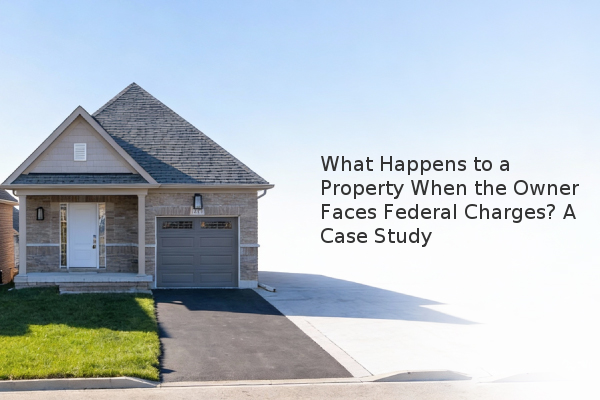
When a property owner faces severe federal charges, their real estate assets become entangled in complex legal and financial proceedings. The primary residence or luxury properties offered as collateral for bail can be subject to government liens, forced sales to cover legal fees or victim restitution, and significant value depreciation due to stigma. Based on our experience assessment, selling a high-profile property under these circumstances presents unique challenges, and the court often gains oversight over the proceeds from any sale.
How Can Federal Charges Affect a Property's Ownership and Sale? A property can still be sold while the owner faces legal action. However, the transaction is no longer straightforward. The federal government can place a lien on the asset, effectively claiming a right to the sale proceeds before the owner receives any funds. This is often done to secure potential restitution for victims or to cover fines. In such cases, the court typically must approve the sale and dictate how the money is disbursed. The owner's ability to make independent decisions about their real estate is significantly diminished once the legal system becomes involved.
What Happens to a Property Used as Collateral for Bail? If a property is offered as collateral (an asset pledged as security for a loan or obligation) in a bail plea, its value is assessed by the court. For example, a $48 million Miami mansion might be proposed to secure a $50 million bond. If bail is denied, as in cases deemed high-flight-risk, the property remains in the owner's name but is flagged within the legal proceedings. It becomes an asset that prosecutors and the court monitor closely, as it may be targeted for seizure or forced liquidation to satisfy future judgments or penalties resulting from a conviction.
Why Might a Property's Value Decrease Amid Legal Scandals? Beyond legal mechanisms, a property's market value can suffer from stigma. Prospective buyers may be deterred by the association with criminal activity, regardless of the home's physical attributes. A mansion previously valued at tens of millions of dollars might struggle to attract offers at its asking price. As one expert noted, "People might not want the affiliation." This can lead to the property sitting on the market for an extended period or selling at a substantial discount. In some cases, owners might temporarily rent the property as a "trophy" vacation rental to generate income while awaiting a more favorable sales climate.
| Consideration | Impact on Property |
|---|---|
| Government Lien | Court control over sale proceeds; funds may go to victims or fines. |
| Stigma | Reduced buyer interest; potential for a lower final sale price. |
| Forced Sale | May occur under time pressure, negatively impacting negotiation leverage. |
What Are the Potential Financial Motivations for Selling? There are several financial pressures that might compel a sale. Mounting legal fees can be enormous in complex federal cases, potentially reaching millions of dollars. A property sale can provide the liquidity needed to pay for a defense team. Furthermore, if the owner is convicted, selling assets to offer a substantial settlement to victims may be viewed favorably by the court during sentencing. While you cannot "buy your way out of prison," demonstrating financial restitution can sometimes be a factor in seeking leniency.
The key takeaway is that real estate and legal troubles are deeply intertwined. For owners of high-value assets, a conviction can trigger a chain of events leading to loss of property control and diminished value. Proactive planning is difficult once charges are filed, and the court's authority over major assets becomes a primary concern. Individuals in such situations should seek qualified legal counsel to understand the specific implications for their property portfolio.