Browse

Log in / Register
 Share
Share
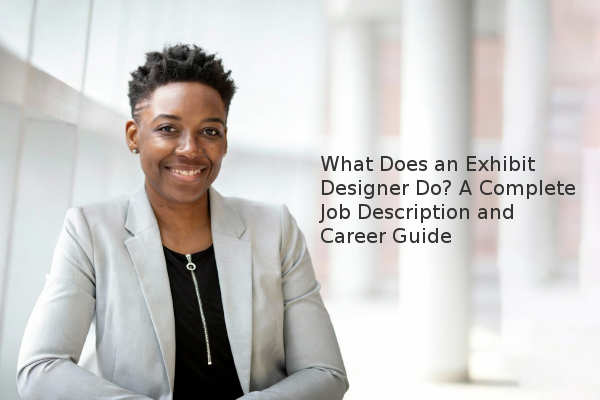
An exhibit designer is a creative professional who transforms spaces into engaging, practical, and unique displays for museums, trade shows, and galleries. This role combines artistic vision with project management to bring a client's story or concept to life. Key responsibilities include client liaison, technical drawing, and on-site supervision, with an average salary in the UK of around £30,685 per year. Successful exhibit designers possess a blend of creative design skills, attention to detail, and strong communication abilities.
An exhibit or exhibition designer is a specialist who plans and creates showcases for various industries, from permanent museum installations to travelling trade show displays. Their core responsibility is to translate a client's vision into a tangible, immersive experience. The day-to-day tasks can vary significantly, but several key duties are central to the role. These include liaising with clients to understand their goals, creating initial sketches and detailed technical drawings, and working with a team of specialists to bring the design to fruition. Project management is a critical component, ensuring that builds stay on schedule and within budget.
The role demands a unique mix of creative and practical skills. Creative design skills are fundamental for generating innovative concepts, while strong attention to detail is non-negotiable for producing accurate technical specifications that construction teams can follow. Excellent communication is vital for effective collaboration with clients, team members, and suppliers. Furthermore, commercial insight helps designers create exhibits that attract and engage the target audience, making the display a success for the client. Mastery of design software for 2D and 3D modeling is also a standard requirement in the industry.
Becoming an exhibit designer typically involves formal education and practical experience. A common path starts with earning a bachelor's degree in a relevant field like exhibition design, graphic design, or interior architecture. The next crucial step is building a strong design portfolio that showcases your best concepts and technical abilities. Gaining real-world experience through internships or apprenticeships is highly valuable for making industry connections and understanding client workflows. Finally, seeking entry-level roles at museums, marketing agencies, or event planning companies provides the foundation for a long-term career, with opportunities for further specialization through advanced training.
To build a career in exhibit design, focus on developing a diverse portfolio, gaining practical experience through internships, and honing both your creative and project management skills. .