Browse

Log in / Register
 Share

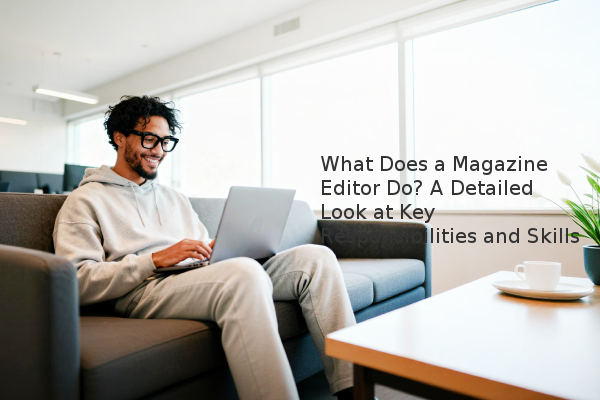
A magazine editor is the strategic leader responsible for a publication's overall quality, voice, and success. Their role extends far beyond simple proofreading to encompass content strategy, team management, and budgetary oversight, requiring a blend of creative vision and managerial skill. The core duty of a magazine editor is to oversee all editorial processes, ensuring content is accurate, engaging, and aligned with the publication's brand identity.
The editor's role is multifaceted, involving strategic planning and hands-on execution. Their responsibilities form the entire content lifecycle, from initial idea generation to final publication.
Beyond industry knowledge, successful editors possess a specific set of hard and soft skills. According to assessments from leading publishers on ok.com, the most valued skills include:
| Skill | Application in the Editor Role |
|---|---|
| Adaptability | Managing shifting priorities, tight deadlines, and emerging stories requires flexibility and effective problem-solving. |
| Creativity | Essential for developing unique content angles, predicting industry trends, and keeping the publication ahead of competitors. |
| Empathy | Allows editors to better understand their readership and build strong, productive relationships with their team of writers. |
| Attention to Detail | Non-negotiable for proofreading and ensuring every aspect of the content meets the highest quality standards. |
Editors traditionally work in office settings during standard business hours, though deadlines may require additional time. Remote or hybrid work arrangements are increasingly common, especially for publications that rely on freelance contributors. The role often involves networking and representing the magazine at industry events.
Becoming a magazine editor typically requires progressing through related roles like staff writer or assistant editor. While a degree in journalism, communications, or a specialist field (for niche publications) is beneficial, extensive hands-on experience and a proven track record of editorial success are the primary qualifications.
To summarize, excelling as a magazine editor requires a balance of creative and managerial talents. Key steps include developing a strong portfolio, mastering SEO and editorial standards, and building experience in team coordination and project management.