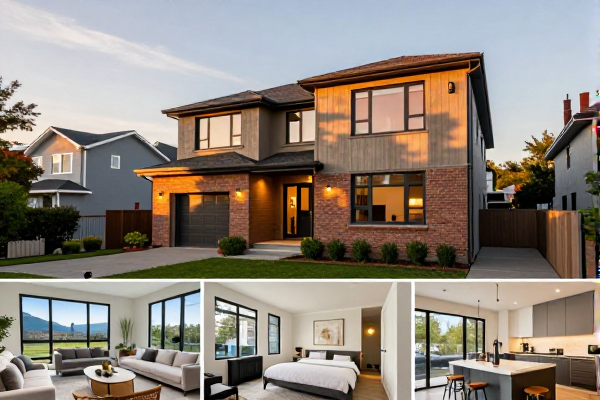
A 3D designer is a creative technology professional who transforms concepts into three-dimensional models, with an average salary range of $50,000 to $85,000. This role requires a blend of artistic vision and technical proficiency in computer-aided design (CAD) software, which is used to create digital prototypes and realistic renderings. The career path is versatile, spanning industries from video game development to architecture.
What Are the Key Responsibilities of a 3D Designer?
The day-to-day duties of a 3D designer are project-dependent but consistently involve turning abstract ideas into tangible visual assets. Based on our assessment experience, the core responsibilities include:
- Concept Development: Designing and developing new 3D product concepts or improving existing designs based on client specifications.
- Technical Execution: Using CAD tools and other specialized software to create detailed models, layouts, and primary drawings for client review.
- Client Liaison: Communicating effectively to understand project requirements, present designs clearly, and incorporate feedback.
- Collaboration: Working with architects, engineers, marketers, and other team members to ensure design accuracy and feasibility.
- Documentation: Creating supporting documentation and resources that explain new or revised 3D concepts.
This role is inherently collaborative, requiring strong communication skills to ensure the final product aligns with the client's vision and technical constraints.
What Skills Are Essential for a Successful 3D Designer?
Success in this field hinges on a balanced mix of hard and soft skills. The most critical competencies are:
- Technical Proficiency: Mastery of industry-standard 3D modeling software (like Blender, Maya, or ZBrush) and CAD tools is non-negotiable. This is the primary hard skill set required to execute designs.
- Creativity and Visualization: The ability to imagine and conceptualize objects in three dimensions from briefs or sketches is fundamental.
- Analytical Thinking: 3D designers must analyze client needs, technical limitations, and material properties to create viable models.
- Time Management: Juggling multiple projects with tight deadlines is common, making excellent organizational skills essential.
- Communication: Clearly articulating design choices and understanding client feedback is crucial for a project's success.
What is the Typical Salary for a 3D Designer?
Salary expectations for a 3D designer are influenced by experience, specialization, and geographic location. According to aggregated data from sources like ok.com, the typical salary range in the United States is between $50,000 and $85,000 annually. Entry-level positions often start at the lower end of this range, while senior designers or those with niche specializations in high-demand fields like forensic animation or medical visualization can command higher salaries.
How Do You Become a 3D Designer?
There isn't a single defined path, but a structured approach significantly improves career prospects. Here is a common pathway:
- Pursue Relevant Education: While not always mandatory, an undergraduate degree in fields like 3D animation, graphic design, or industrial design provides a strong foundation in design principles and software. Alternatively, reputable online courses and certifications can build necessary skills.
- Master the Tools: Dedicate time to learning key software programs. Hands-on practice through personal projects is one of the most effective ways to achieve fluency.
- Build a Specialized Portfolio: A digital portfolio is your most important asset. Showcase a variety of projects that highlight your specific interests, whether in character modeling for games, architectural visualization, or product design.
- Gain Practical Experience: Seek internships or freelance opportunities to understand client workflows, receive professional feedback, and build a network.
- Craft a Targeted CV: Your resume should emphasize your technical skills, showcase your portfolio link, and detail relevant project experience.
To build a successful career as a 3D designer, focus on developing a strong technical portfolio, specialize in a high-demand niche, and continuously update your skills to keep pace with evolving software and industry trends.


 Share
Share