Browse

Log in / Register
 Share
Share
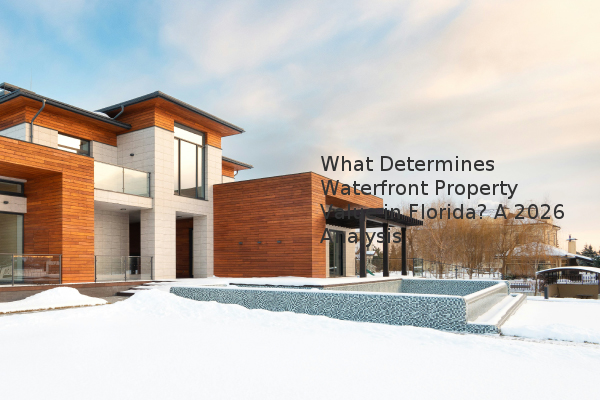
Understanding the key factors that determine waterfront property value in Florida is essential for making informed real estate decisions. Based on our experience assessment, the primary drivers include the property's specific location and water frontage, the condition and recent renovations of the home, and the final sale price relative to the original listing. For example, a property with 90 feet of direct waterfront and a private dock typically commands a significant price premium due to its rarity and direct access to navigable waters. The final sale price is often a reflection of market dynamics over time, not just the initial asking price.
What Location Factors Impact Waterfront Home Prices the Most? The most significant location factor is direct access to water. Properties with deepwater dockage, like those on the Intracoastal Waterway, offer substantial value. Proximity to amenities, such as being near multiple country clubs, also adds to a property's appeal and market price. The type of water body—whether it's a canal, lake, or direct ocean access—and the amount of frontage are critical in the valuation process. A longer frontage provides more privacy and better views, which are highly valued by buyers.
How Do Property Features and Condition Influence Value? A home's features and its state of renovation are major value determinants. Newly renovated properties with high-end finishes, such as a chef’s kitchen with an island and breakfast bar, are more desirable. Functional amenities like an elevator for accessibility or an emergency generator for hurricane preparedness add practical value that appeals to Florida buyers. The size of the home, including the number of bedrooms (e.g., six bedrooms) and the overall square footage, sets the base price, while luxury additions significantly increase it.
Why is the Sale Price vs. Original Asking Price Important? The difference between the final sale price and the original listing can reveal market trends and the property's true market value. A property that sells for significantly less than its initial asking price after a series of reductions may indicate an initially overvalued listing or a shift in the local market conditions. This price history is a key data point for appraisals and for buyers to understand negotiation leverage. It underscores the importance of pricing a property correctly from the start to avoid a prolonged time on the market.
To illustrate how different features can impact value, consider the following data based on typical Florida waterfront properties:
| Feature | Estimated Value Impact | Description |
|---|---|---|
| Private Dock | +$75,000 - $200,000+ | Adds significant value, especially with Intracoastal or ocean access. |
| Water Frontage (per foot) | +$1,000 - $5,000+ | Varies greatly by location and water body type. |
| Recent Full Renovation | +15% - 30% of base value | Modern kitchens, bathrooms, and systems are highly valued. |
| Emergency Generator | +$10,000 - $20,000 | A key feature for resilience in Florida's storm-prone climate. |
What Practical Steps Can Buyers and Sellers Take? For sellers, investing in key renovations like kitchen updates and adding practical amenities can yield a strong return on investment. Accurate initial pricing, potentially through a competitive market analysis (CMA) from a real estate professional, is crucial to avoid price cuts later. For buyers, look beyond the listing price and analyze the price history to gauge the seller's motivation. Focus on properties with irreplaceable features like extensive water frontage, as these hold their value best over time. Always conduct a thorough inspection to assess the true condition of the property, especially in a coastal environment.