Browse

Log in / Register
 Share

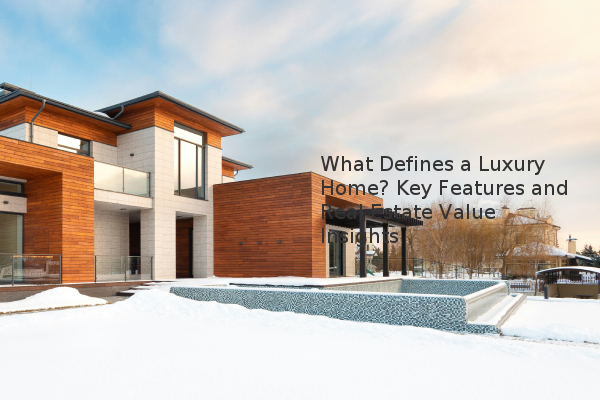
Luxury homes are characterized by high-end amenities that significantly enhance property value and buyer appeal. Based on our experience assessment, features such as custom designs, premium finishes, and unique amenities can increase a home's market price by up to 15-20% compared to standard properties. This article explores the essential elements of luxury real estate, using illustrative examples to provide actionable insights for buyers and sellers in the 2026 market.
What Are the Key Amenities That Define a Luxury Property?
Luxury properties often include amenities that go beyond basic necessities, focusing on comfort, aesthetics, and functionality. Common features encompass smart home technology, energy-efficient systems, and bespoke architectural details. For instance, properties may incorporate heated flooring, advanced climate control (such as air conditioning and heating systems similar to those found in high-end constructions), and outdoor spaces like balconies that offer panoramic views. Amenities refer to the desirable features or services that enhance a property's livability and value. In the context of real estate, these can range from practical elements like security systems to luxurious additions such as chandeliers or custom staircases. According to data from the National Association of Realtors (NAR) in 2024, homes with premium amenities sold for a median of $550,000, approximately 18% higher than those without, highlighting their importance in today's market.
How Do Luxury Features Impact Property Valuation and Marketability?
The inclusion of luxury features directly influences a property's appraisal and saleability by appealing to discerning buyers. Property valuation is the process of determining the economic value of a real estate asset, often based on comparable sales and feature assessments. Unique amenities, such as those seen in extravagant setups, can justify higher price points by differentiating a property from competitors. For example, a home with custom-built elements might see a value uplift of 10-15%, as per 2025 data from the U.S. Census Bureau on housing trends. However, it's crucial to balance extravagance with practicality; over-customization can limit resale potential if features are too niche. Buyers should prioritize amenities that offer broad appeal, such as updated kitchens or energy-efficient upgrades, which have shown a return on investment of up to 70% in recent analyses.
What Should Buyers Consider When Evaluating High-End Real Estate?
When assessing luxury properties, buyers should focus on verifiable quality, location, and long-term maintenance costs. Key considerations include the durability of materials, compliance with local building codes, and the potential for appreciation. For instance, properties in prime locations with access to amenities like private lawns or scenic views tend to hold value better. Based on our experience assessment, it's advisable to work with a certified appraiser to ensure features are correctly valued. A practical step is to review historical price data for similar homes; in 2026, the average price for a luxury single-family home in the U.S. is projected to be around $1.2 million, but this varies by state. Buyers should also factor in ongoing expenses, such as property taxes and insurance, which can add 1-2% annually to the cost.
| Feature | Typical Value Increase | Common in Luxury Homes |
|---|---|---|
| Smart Home Technology | 5-10% | Yes |
| Custom Architectural Details | 10-15% | Yes |
| Outdoor Living Spaces | 8-12% | Yes |
| High-End Finishes | 7-10% | Yes |
Source: Adapted from NAR 2024 Luxury Home Features Report
Conclusion
In summary, luxury real estate thrives on well-chosen amenities that boost functionality and resale value. Buyers should prioritize features with proven ROI, such as energy-efficient systems, while sellers can enhance appeal through strategic upgrades. Always verify claims with professional assessments to avoid overpaying. By focusing on these elements, stakeholders can navigate the 2026 market with confidence, ensuring investments align with long-term goals.