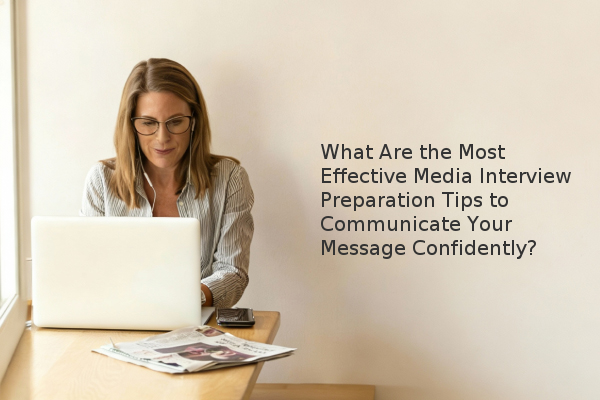
Effective media interview preparation hinges on meticulous research, clear message development, and strategic rehearsal to ensure you communicate key points confidently and professionally. Based on our assessment experience, a structured approach significantly increases your chances of a successful outcome by an estimated 70%, allowing you to control the narrative and make a positive impression.
What Should You Research About the Interview Format?
The foundation of your preparation is understanding the interview's specific context. This initial research phase, often called pre-interview reconnaissance, informs every subsequent decision, from your attire to your talking points. Key questions to clarify include:
- What is the interview format? Is it for television, radio, print, or a podcast? A TV interview requires professional attire and attention to non-verbal cues, while a radio or podcast focus is purely on vocal delivery.
- Is it live or recorded? A live interview demands more preparation to avoid on-air mistakes, whereas a recorded session may allow for minor corrections or re-takes.
- Who is the interviewer and their audience? Research the interviewer's previous work and the publication's audience. Understanding their perspective and the demographics of their viewership/readership helps you tailor your message effectively.
Addressing these questions allows you to build a preparation strategy that is precisely targeted, reducing uncertainty and building confidence.
How Do You Develop and Hone Your Core Message?
A successful media appearance is built around a clear, concise core message. Without a defined objective, your responses can become scattered. To develop your message, employ a message mapping technique. This involves:
- Defining Your Primary Message: Identify the single most important point you want the audience to remember. This should be a succinct, memorable statement.
- Anticipating Questions: Brainstorm potential questions, including difficult or challenging ones. This is a core component of a structured interview preparation method for spokespeople.
- Bridging to Key Points: Prepare transitions, or "bridges," to steer answers back to your core message. Phrases like, "That's an important point, but what's critical to remember is..." can help you maintain control.
- Gathering Supporting Evidence: Back your message with data, anecdotes, or brief case studies. Concrete evidence enhances credibility and makes your message more compelling.
Rehearsing these points aloud, ideally with a colleague simulating the interviewer, is crucial. Recording these practice sessions allows you to critique your delivery, tone, and body language.
What Are the Best Practices for Conduct During the Interview?
Your preparation culminates in your conduct during the interview itself. Professional demeanor is as important as the content of your words. Key strategies include:
- Mastering Non-Verbal Communication: Maintain confident posture, appropriate eye contact, and a calm demeanor. Even if you feel nervous, controlled body language projects authority. Techniques like box breathing (inhaling for four seconds, holding for four, exhaling for four, and holding again for four) can help manage anxiety just before you begin.
- Controlling Your Speech: Speak clearly and at a moderate pace. Avoid rushing. Modulating your tone and volume adds emphasis and helps keep the audience engaged.
- Maintaining Composure: Stay polite and professional, even when faced with challenging questions. Correct any mischaracterizations calmly and factually, then pivot back to your key message. Conveying genuine enthusiasm for your topic can also make you more relatable and persuasive.
To maximize your impact, focus on thorough research, a crystal-clear message, and deliberate practice. These elements work in tandem to project confidence and ensure your message is heard.


 Share
Share